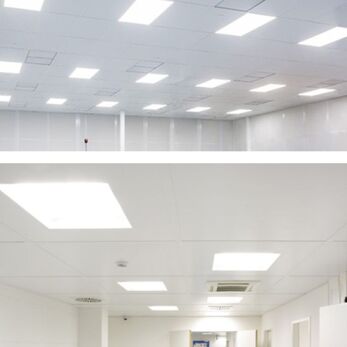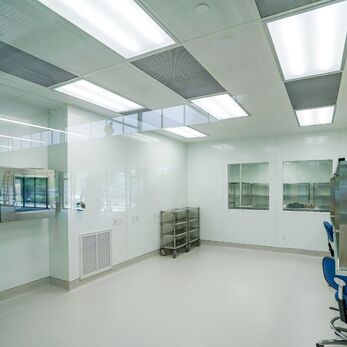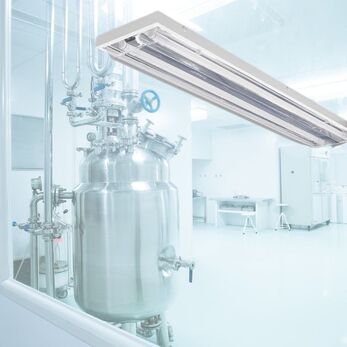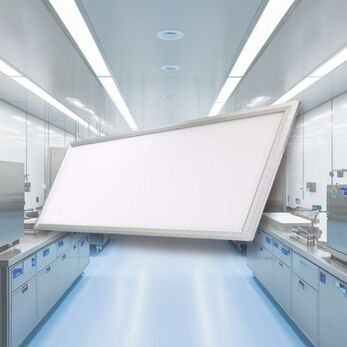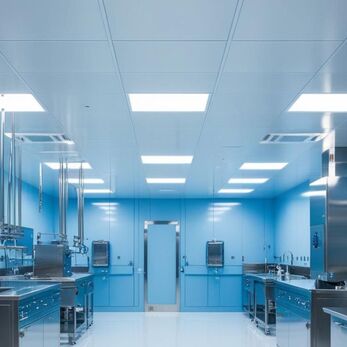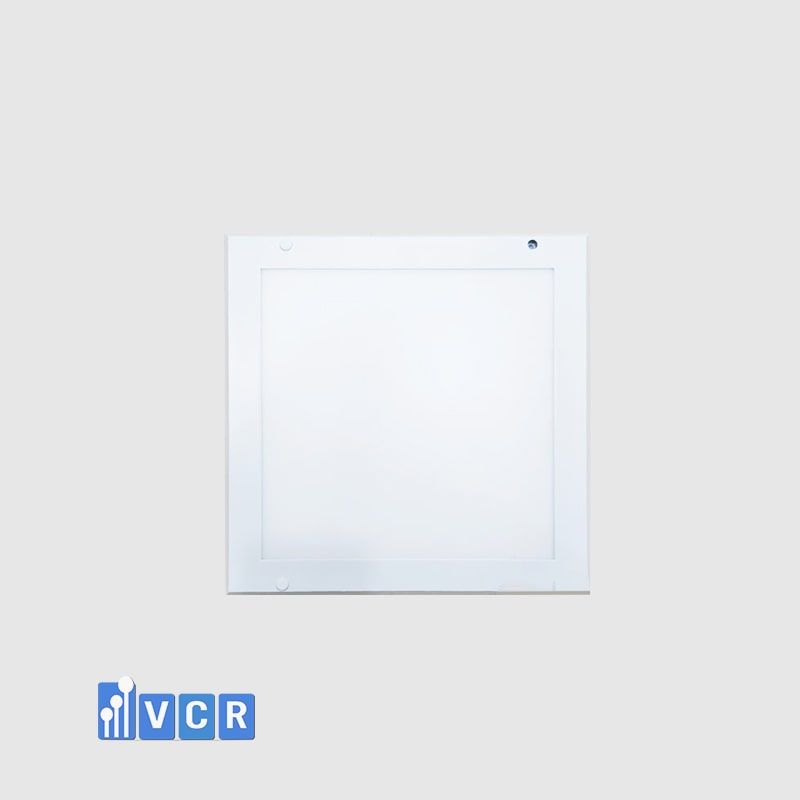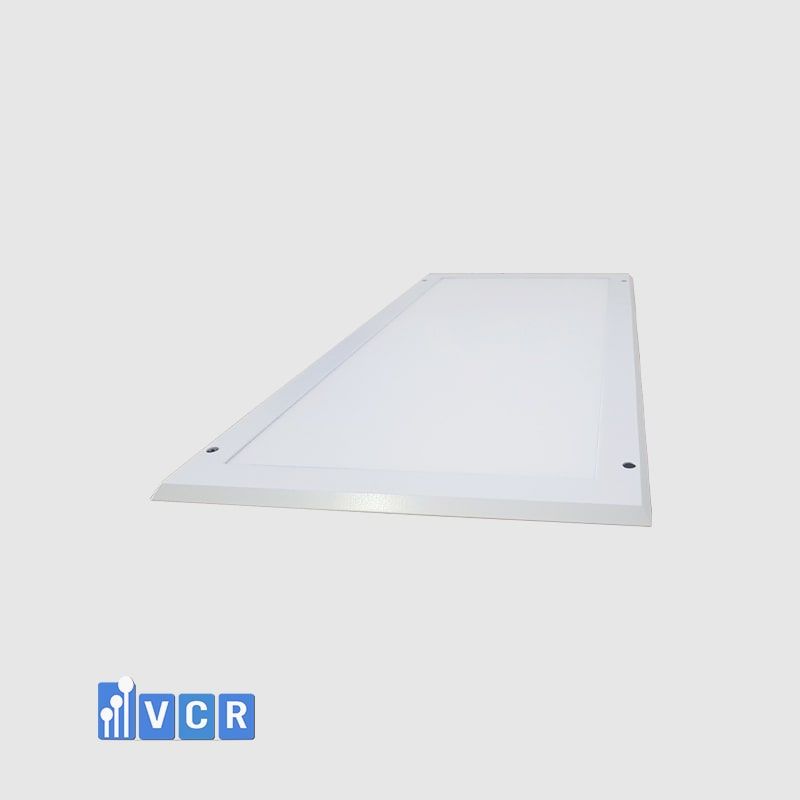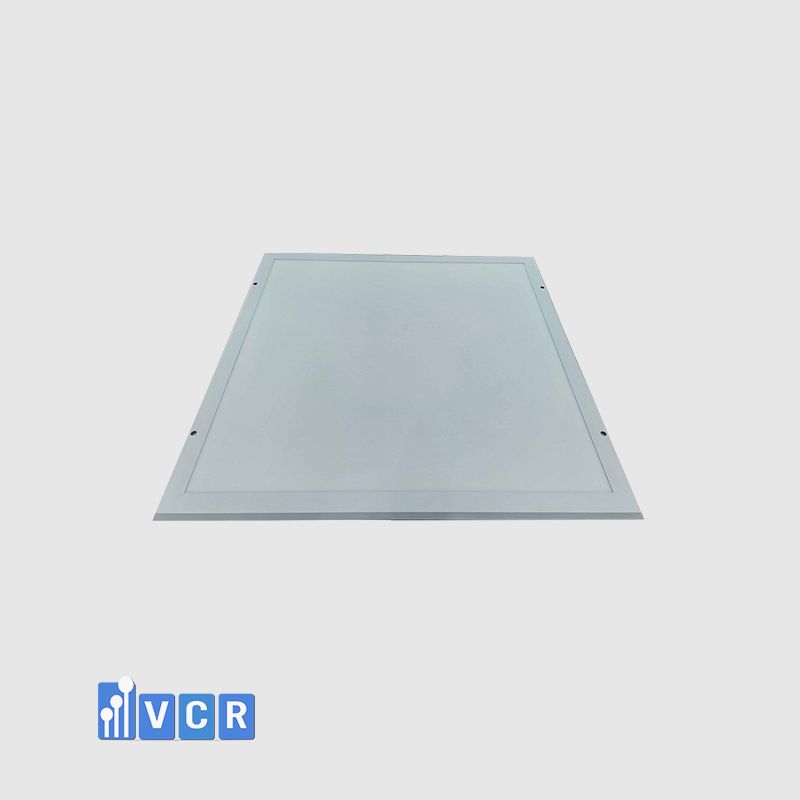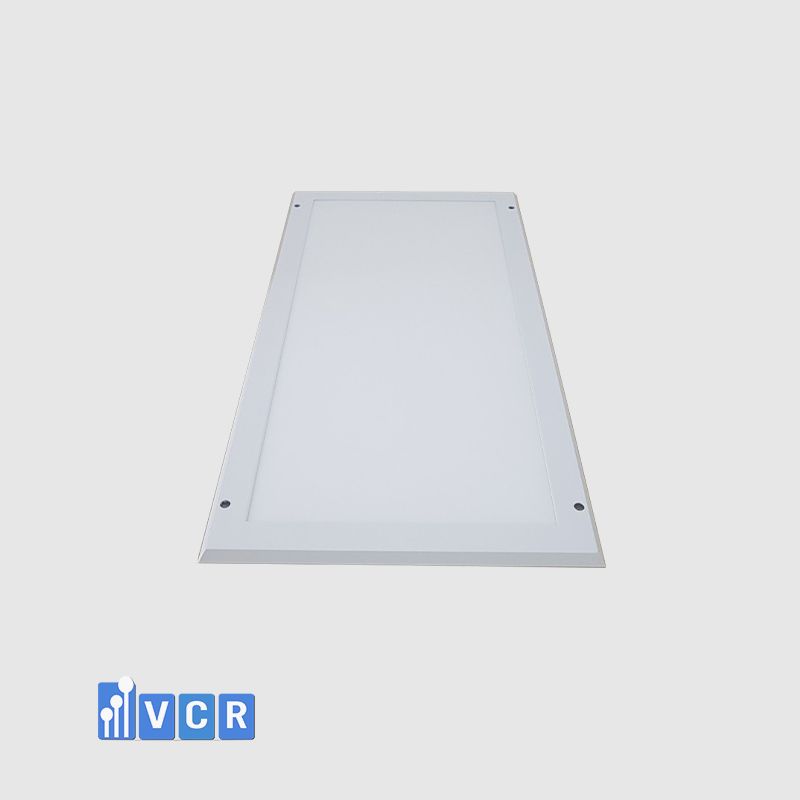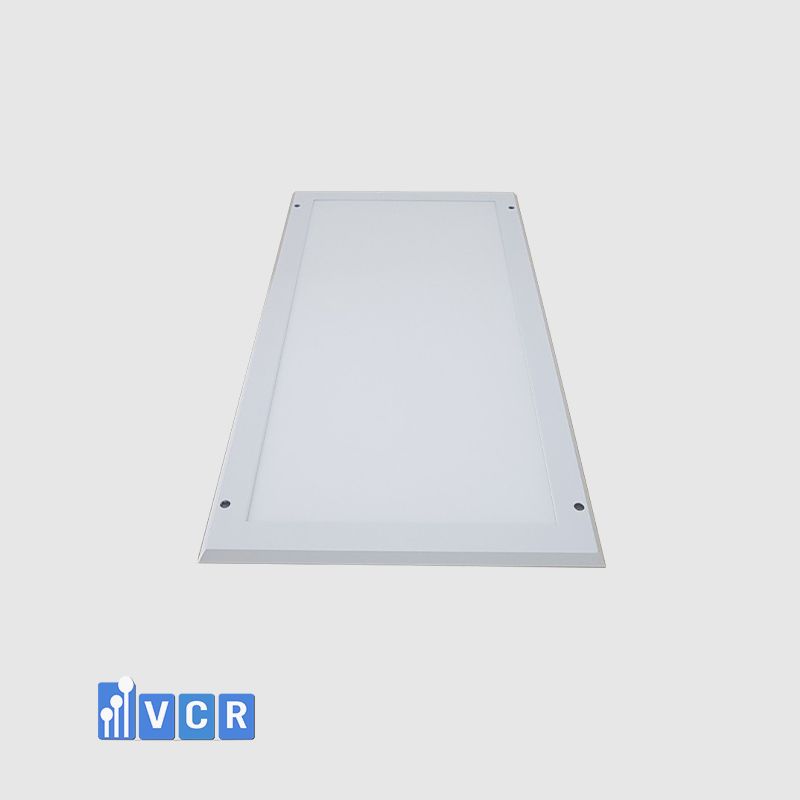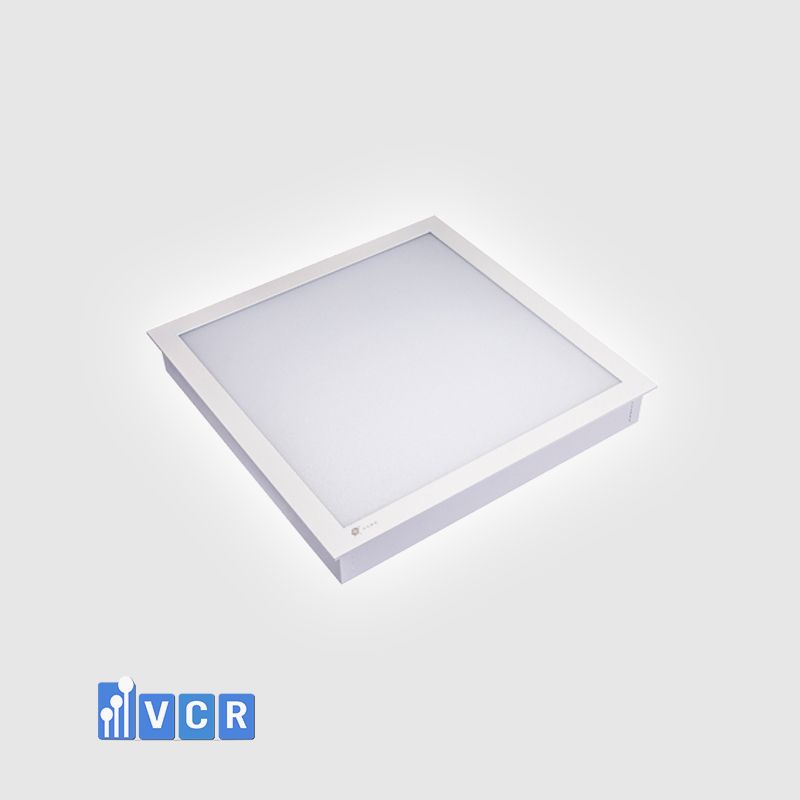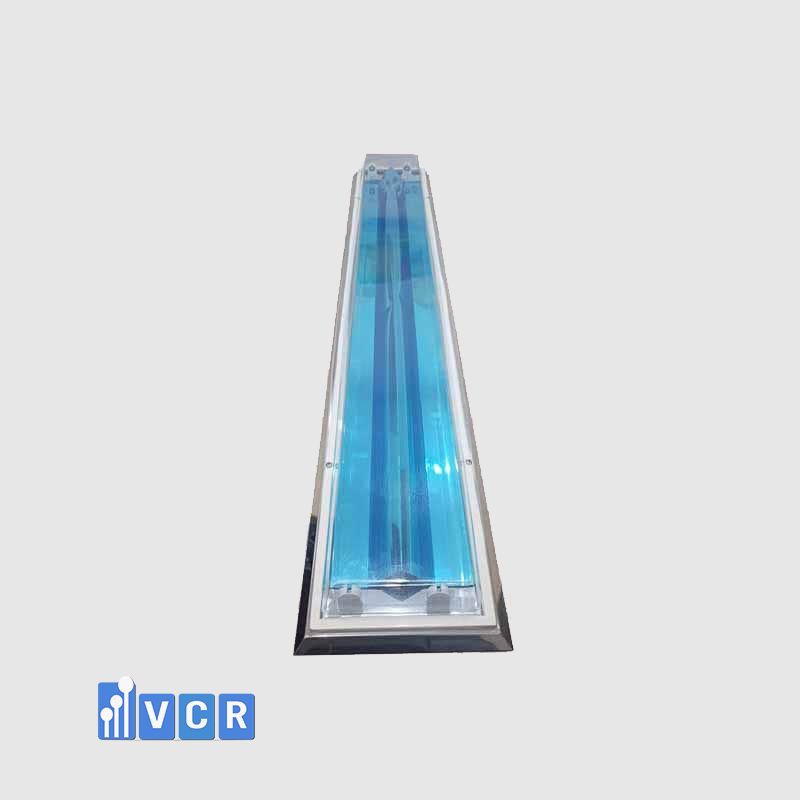

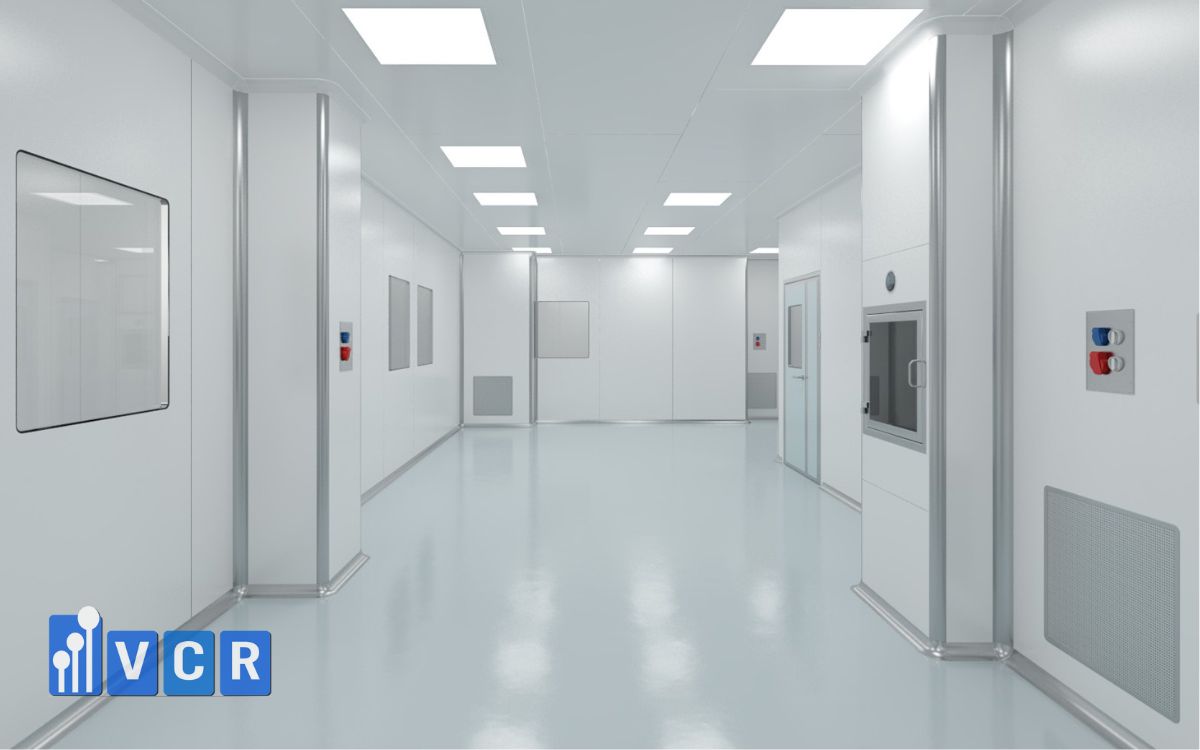
Cleanroom LED panel lights are specialized lighting fixtures designed for contamination-controlled environments. Explore their construction, technical specifications, IP ratings, GMP requirements, industrial applications, and selection criteria for pharmaceutical, electronics, and other cleanroom facilities.
- What Is a Cleanroom LED Panel Light?
- Detailed Construction of Cleanroom LED Panel Lights
- Key Technical Features of Cleanroom LED Panel Lights
- Important Technical Specifications for Cleanroom LED Panel Lights
- Common Types of Cleanroom LED Panel Lights
- Standards and Technical Requirements for Cleanroom LED Panel Lights
- Applications of Cleanroom LED Panel Lights Across Industries
- Cleanroom LED Panel Lights for ISO Class 5, 6, 7, and 8
- Cleanroom LED Panel Lights vs. Conventional LED Panel Lights
- How to Select the Right Cleanroom LED Panel Light
- Common Mistakes When Purchasing and Installing Cleanroom LED Panel Lights
- What Determines the Price of Cleanroom LED Panel Lights?
- Where to Buy Cleanroom LED Panel Lights? How to Choose a Reliable Supplier
- Frequently Asked Questions About Cleanroom LED Panel Lights
- Future Trends in Cleanroom LED Panel Lighting
- Conclusion and Contact Thiết bị phòng sạch VCR
Discover everything about cleanroom LED panel lights, including construction, technical features, illumination requirements, ISO 14644, GMP compliance considerations, installation methods, and supplier selection. Thiết bị phòng sạch VCR supports cleanroom contractors with specialized equipment solutions across Vietnam.
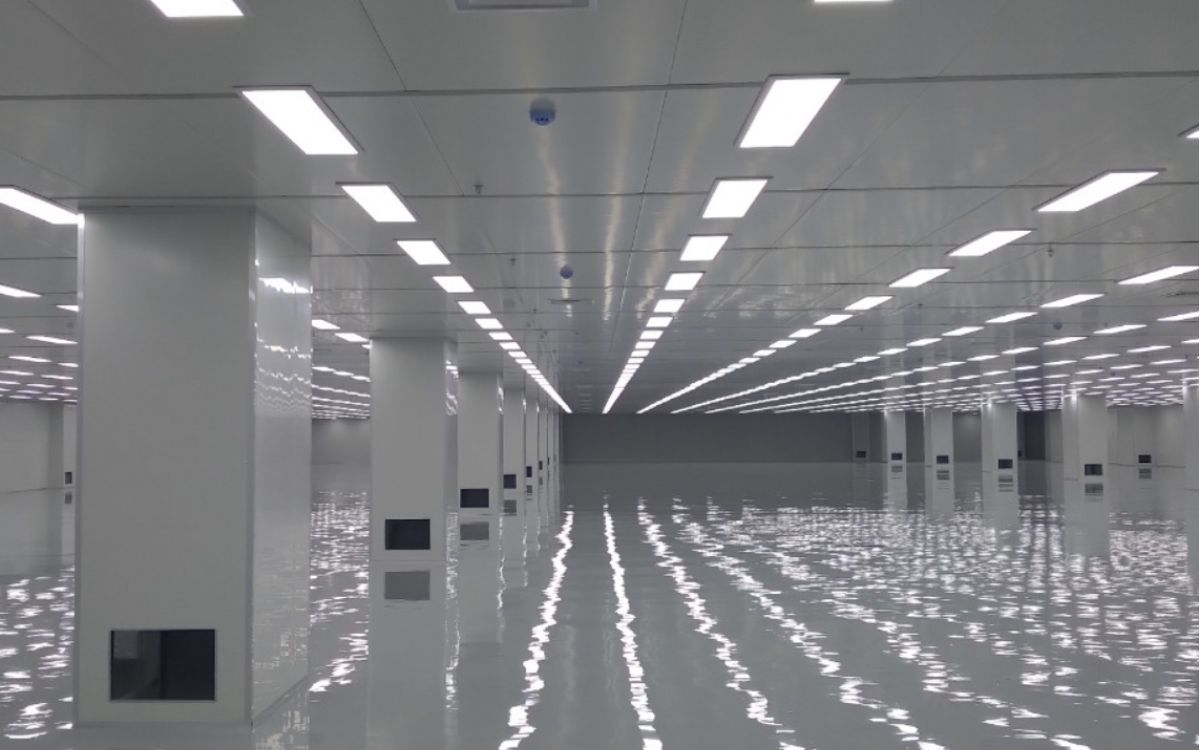
What Is a Cleanroom LED Panel Light?
A Cleanroom LED Panel Light is a specialized lighting fixture that uses light-emitting diode technology and incorporates construction features suitable for environments requiring airborne particle control, contamination prevention, and stringent cleaning procedures.
Unlike conventional LED panel lights commonly installed in offices, commercial buildings, or residential spaces, cleanroom LED panel lights are designed with additional attention to enclosure integrity, surface cleanability, material selection, sealing arrangements, and integration with cleanroom ceiling systems.
In pharmaceutical, electronics, medical device, food processing, and cosmetics manufacturing facilities, lighting serves more than a visual function. It is also an integral part of the cleanroom infrastructure.
An unsuitable lighting fixture can introduce unwanted gaps, particle accumulation points, or potential air leakage paths between the controlled environment and the space above the ceiling.
Cleanroom LED panel lights are also referred to as Cleanroom LED Lights, Cleanroom Panel Lights, Sealed LED Panel Lights, or Cleanroom Lighting Fixtures.
Although these names are sometimes used interchangeably, the precise construction and technical performance of individual products may differ.
A suitable cleanroom lighting system must address two fundamental requirements: adequate lighting quality for manufacturing operations and compatibility with the contamination-control requirements of the cleanroom environment.
Therefore, selecting a cleanroom light should not depend solely on wattage, brightness, appearance, or purchase price.
For cleanroom contractors, selecting the correct fixtures during the design stage helps coordinate ceiling construction, electrical installations, cleaning procedures, maintenance access, and project qualification requirements.
Detailed Construction of Cleanroom LED Panel Lights
Cleanroom LED panel lights operate using the same fundamental light-emitting technology as many conventional LED fixtures. Their primary differences are generally found in enclosure construction, materials, sealing arrangements, surface finishing, and installation methods.
A typical cleanroom LED panel light consists of a housing, LED chips, optical components, LED driver, diffuser, sealing gaskets, thermal management components, and mounting accessories.
Housing and structural frame
The housing protects internal electrical and optical components, supports heat dissipation, and provides the mechanical interface with the cleanroom ceiling.
Common housing materials include aluminum, powder-coated steel, and stainless steel 304.
Aluminum offers relatively low weight and good thermal conductivity. Powder-coated steel can provide a cost-effective solution for many industrial applications. Stainless steel 304 may be selected where corrosion resistance and surface cleaning characteristics are particularly important.
However, no single material is universally suitable for every cleanroom application.
Material compatibility should be evaluated against cleaning chemicals, environmental humidity, mechanical loads, and operating conditions.
LED chips
LED chips generate the light emitted by the fixture.
Chip quality influences luminous efficacy, color stability, lumen maintenance, and operational life.
In cleanroom areas where detailed visual inspection is required, the LED system should provide sufficient illumination and appropriate color rendering.
Optical diffuser
The diffuser distributes light across the illuminated area and helps reduce glare caused by concentrated LED sources.
Diffusers may be manufactured from suitable engineering plastics or glass, depending on the fixture design.
For cleanroom applications, important considerations include surface cleanability, mechanical durability, chemical compatibility, and particle-generation risk.
A smooth, properly secured diffuser can help minimize difficult-to-clean surfaces.
LED driver
An LED driver converts incoming electrical power into the electrical output required by the LED modules.
Driver quality affects lighting stability, electrical efficiency, dimming capabilities, and overall equipment reliability.
Some specialized cleanroom fixtures allow the driver to be accessed from a technical service area, reducing the need to open the fixture from inside the controlled environment.
Sealing gaskets
Sealing gaskets are installed at selected interfaces between housing components or between the lighting fixture and its mounting structure.
Common materials include silicone, EPDM, and other application-specific elastomers.
Effective sealing depends not only on gasket material but also on dimensions, compression, installation quality, and long-term stability.
Thermal management components
LED chips and electrical drivers generate heat during operation.
Inadequate thermal management can increase component temperature, accelerate lumen depreciation, and reduce equipment reliability.
Cleanroom fixtures must balance heat dissipation with the need to limit unwanted openings and contamination paths.
Mounting accessories
Mounting accessories may include brackets, supporting frames, fixing clips, safety cables, electrical connectors, and ceiling interface components.
For cleanroom contractors, these accessories are particularly important because they determine whether the lighting fixture can be integrated correctly into sandwich-panel ceilings, modular ceilings, or other specialized cleanroom ceiling systems.
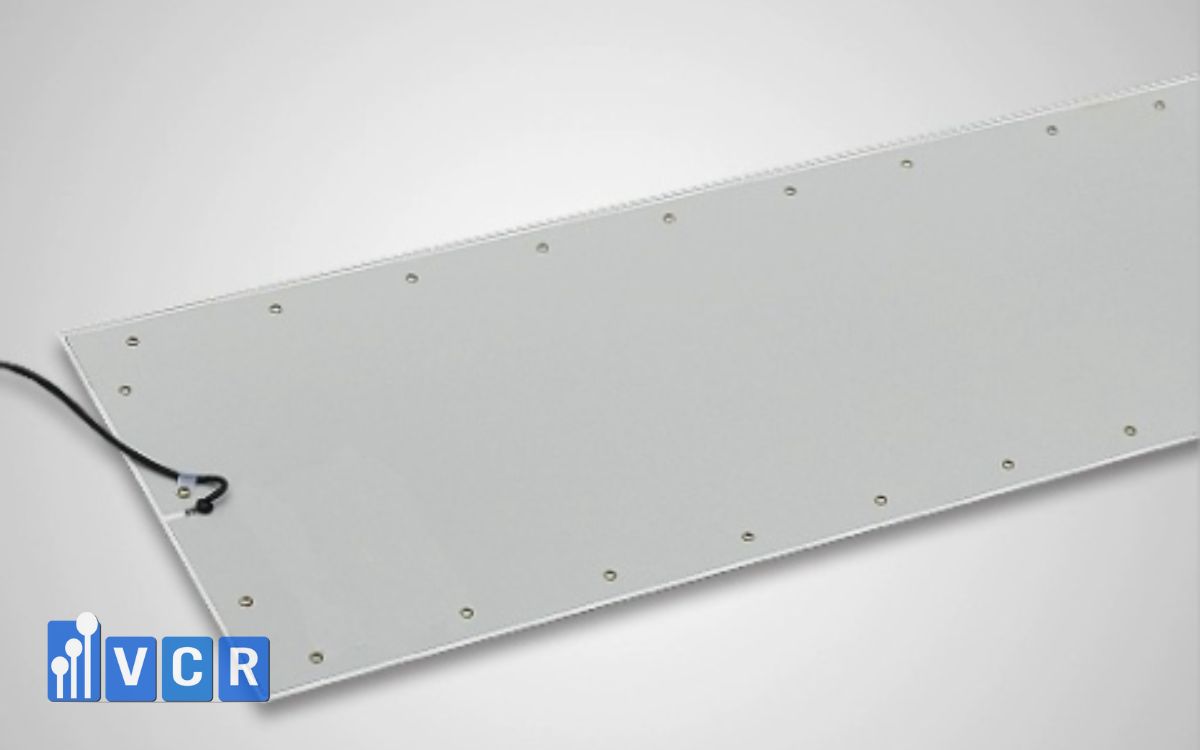
Key Technical Features of Cleanroom LED Panel Lights
The distinguishing features of cleanroom LED panel lights are not limited to LED technology. Their value also depends on how effectively they meet the operational requirements of contamination-controlled environments.
Smooth and cleanable surfaces
Cleanroom lighting fixtures are often designed with smooth surfaces, limited protrusions, and reduced gaps.
These characteristics facilitate routine cleaning and help reduce locations where particles or contaminants may accumulate.
In pharmaceutical cleanrooms, difficult-to-clean surfaces can create contamination-control challenges, particularly in areas requiring regular cleaning and disinfection.
Protection against dust and water ingress
Ingress Protection (IP) ratings describe the ability of an electrical enclosure to resist the entry of solid objects and water under specified test conditions.
For example, an IP65 rating indicates a dust-tight enclosure under the applicable testing conditions and protection against water jets.
However, IP65 does not mean that a fixture can withstand every cleaning procedure, high-pressure washing method, prolonged water exposure, or chemical disinfectant.
Furthermore, the IP rating of a lighting fixture does not automatically demonstrate the airtightness of the complete fixture-to-ceiling installation.
Compatibility with cleanroom ceiling systems
Cleanroom LED panel lights may be designed for integration into specialized ceiling structures.
Recessed configurations can minimize protrusions into the cleanroom, helping maintain a relatively continuous ceiling surface.
The actual suitability of the mounting system must be verified for the specific ceiling construction.
Stable illumination
Cleanroom lighting should provide adequate illumination for accurate manufacturing operations.
Particular attention may be required in areas involving visual inspection, pharmaceutical processing, electronics assembly, or precision manufacturing.
In addition to brightness, designers should evaluate illumination uniformity, glare, color rendering, and flicker characteristics.
Energy efficiency and maintenance
LED technology can reduce energy consumption compared with less efficient conventional lighting systems when properly selected.
However, economic performance should be evaluated using actual luminous output, operating hours, lumen maintenance, replacement costs, and maintenance requirements.
In cleanrooms, maintenance accessibility is especially important because opening a fixture or disturbing the ceiling may create additional cleaning and verification requirements.
Important Technical Specifications for Cleanroom LED Panel Lights
A cleanroom LED panel light datasheet should clearly identify lighting performance, electrical characteristics, environmental protection, and installation requirements.
| Specification | Technical meaning | Selection consideration |
|---|---|---|
| Power (W) | Rated electrical power consumption | Wattage does not directly indicate brightness |
| Luminous flux (lm) | Total emitted visible light | Verify the fixture's actual luminous output |
| Luminous efficacy (lm/W) | Light output per watt | Important for energy efficiency |
| Illuminance (lux) | Light received per unit area | Evaluate at the working plane |
| Color temperature (K) | Appearance of emitted white light | Select according to visual tasks |
| CRI | Color Rendering Index | Important for accurate color identification |
| UGR | Unified Glare Rating | Evaluate within the lighting installation |
| IP rating | Ingress Protection classification | Confirm applicable test conditions |
| IK rating | Resistance to mechanical impact | Relevant where impact risks exist |
| Service life | Expected lighting performance over time | Review declared operating conditions |
| Dimensions | Fixture and mounting measurements | Must match ceiling construction |
Power and luminous flux
Two LED fixtures rated at 40 W may produce significantly different luminous flux values.
Differences can arise from LED chip efficiency, optical losses, driver performance, and thermal design.
For this reason, purchasing decisions should consider both wattage and actual luminous output.
Illuminance
Illuminance is measured in lux, equivalent to one lumen per square meter.
Required illuminance depends on the visual tasks performed in the space.
A cleanroom corridor, general manufacturing area, pharmaceutical preparation room, and precision inspection station may require different illumination levels.
There is no single lux value universally applicable to all cleanrooms.
Correlated Color Temperature
Correlated Color Temperature (CCT) is expressed in Kelvin.
A 4000 K light source generally provides a neutral-white appearance, while 5000 K and 6500 K sources produce progressively cooler-looking white light.
Selection should consider visual clarity, operator comfort, color identification, and lighting consistency.
A higher color temperature does not automatically mean better cleanroom lighting.
Color Rendering Index
The Color Rendering Index (CRI) describes how accurately a light source renders colors compared with a reference illuminant.
A CRI of 80 or higher is commonly considered for many industrial applications.
Tasks requiring more accurate color discrimination may benefit from CRI values of 90 or higher, along with additional color-quality criteria where necessary.
Unified Glare Rating
The Unified Glare Rating (UGR) is used to assess discomfort glare in indoor lighting installations.
UGR is not solely an independent property of a fixture. Actual values depend on fixture placement, room geometry, surface reflectance, and viewing position.
Glare evaluation should therefore be part of the overall lighting design.
Common Types of Cleanroom LED Panel Lights
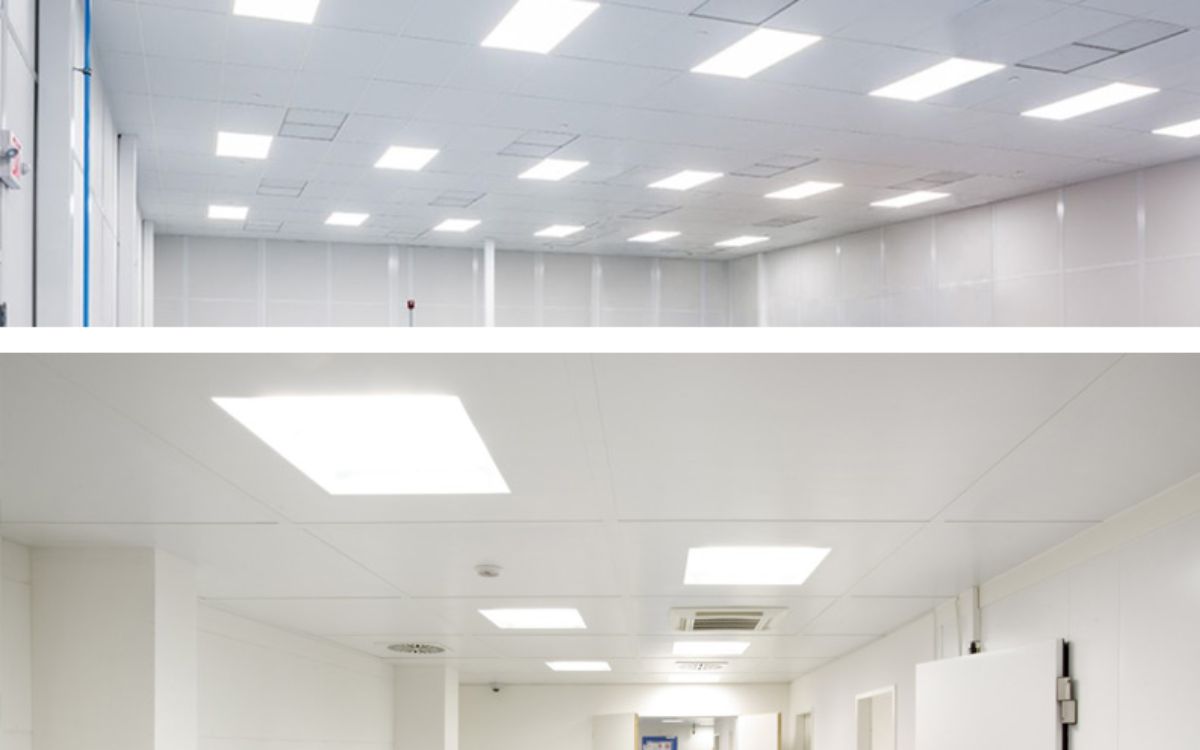
Cleanroom LED panel lights can be categorized according to installation method, housing material, dimensions, environmental protection, and lighting configuration.
Recessed Cleanroom LED Panel Lights
Recessed fixtures are integrated into the ceiling structure.
They can help maintain a relatively flush ceiling surface, reducing protrusions into the controlled environment.
When the cleanroom requires a sealed ceiling, appropriate mounting frames and sealing arrangements are essential.
Surface-Mounted Cleanroom LED Panel Lights
Surface-mounted fixtures are installed below the ceiling surface.
This configuration may be suitable for selected retrofit projects or facilities where recessed installation is impractical.
However, the fixture-to-ceiling interface and accessible surfaces must be evaluated for cleaning requirements.
Sealed Cleanroom LED Panel Lights
Sealed fixtures incorporate enclosure features intended to limit unwanted ingress of dust, moisture, or air through defined interfaces.
Their actual sealing performance depends on the design and installation method.
A sealed lighting fixture should not automatically be considered equivalent to an airtight ceiling penetration.
Stainless Steel 304 Cleanroom LED Panel Lights
These fixtures use stainless steel 304 for the housing or selected structural components.
They may be appropriate where corrosion resistance and cleaning compatibility are important.
Customers should confirm which components are manufactured from stainless steel rather than assuming that the entire fixture uses the same material.
Powder-Coated Steel Cleanroom LED Panel Lights
Powder-coated steel fixtures can provide a practical balance of structural strength, cost, and environmental resistance.
The suitability of the coating should be verified against cleaning chemicals, mechanical wear, and expected operating conditions.
Classification by dimensions
Commonly encountered nominal dimensions include 300 × 300 mm, 300 × 600 mm, 600 × 600 mm, 300 × 1200 mm, and 600 × 1200 mm.
These are representative sizes rather than mandatory industry dimensions.
Actual housing dimensions and ceiling cutout measurements may differ between manufacturers.
Standards and Technical Requirements for Cleanroom LED Panel Lights
Selecting cleanroom lighting requires a clear distinction between cleanroom environmental standards, lighting equipment standards, and project-specific technical requirements.
ISO 14644-1
ISO 14644-1:2015 specifies the classification of air cleanliness by airborne particle concentration.
It does not directly certify individual LED panel lights as ISO Class 5, ISO Class 7, or ISO Class 8.
Claims such as "ISO Class 5 LED Light" should therefore be interpreted carefully.
A more technically accurate description is a lighting fixture designed for use in a cleanroom with a specified target cleanliness classification, subject to the facility's engineering requirements.
ISO 14644-4
ISO 14644-4 addresses cleanroom design, construction, and start-up considerations.
In relation to lighting, relevant factors include integration with the building structure, cleanability, accessibility, and contamination-control requirements.
EU GMP Annex 1
EU GMP Annex 1 is particularly important for sterile medicinal product manufacturing.
It emphasizes contamination prevention, cleanable surfaces, suitable construction materials, and the avoidance of unnecessary contamination accumulation points.
For LED panel lighting, these principles support consideration of smooth surfaces, appropriate seals, cleanable materials, and well-designed ceiling interfaces.
However, Annex 1 does not prescribe a single universal IP rating or housing material for every cleanroom light.
IEC 60529
IEC 60529 defines the IP classification system for electrical enclosures.
When a manufacturer declares IP65 protection, the supporting documentation should identify the tested configuration and applicable conditions.
Particular attention is needed when a product has different protection characteristics on its front and rear surfaces.
IEC 60598
IEC 60598 is a series of standards addressing luminaire safety.
Depending on the relevant part, requirements may cover electrical insulation, construction, thermal conditions, mechanical strength, and other safety characteristics.
Indoor workplace lighting requirements
EN 12464-1:2021 addresses lighting requirements for indoor workplaces.
Relevant considerations include illuminance, uniformity, glare, and color rendering.
Lighting criteria should be determined according to the tasks performed rather than solely by the cleanroom's ISO classification.
For cleanroom contractors, a practical approach is to prepare a technical compliance checklist comparing project specifications with manufacturer documentation before equipment approval.
Applications of Cleanroom LED Panel Lights Across Industries
Cleanroom LED panel lights are used in industries that require controlled manufacturing environments and reliable visibility for production activities.
Pharmaceutical manufacturing
In pharmaceutical facilities, lighting supports preparation, manufacturing, packaging, product inspection, and cleanroom circulation areas.
For GMP environments, designers should consider fixture cleanability, surface materials, installation sealing, and contamination risks associated with ceiling penetrations.
In high-control areas, lighting maintenance should be planned to avoid unnecessary disturbance of the qualified environment.
Cosmetics manufacturing
Cosmetics facilities use lighting in formulation, filling, packaging, and quality inspection operations.
Color rendering is particularly important when operators evaluate product color, appearance, or consistency.
Fixture materials must also be compatible with the cleaning procedures and humidity conditions of the production area.
Food and dietary supplement manufacturing
Lighting systems support processing, packaging, inspection, and equipment operation.
Food manufacturing environments may require additional attention to cleaning compatibility, mechanical protection, and the potential consequences of diffuser breakage.
Appropriate containment or shatter-resistant features may be considered according to the process risk assessment.
Electronics manufacturing
Electronics facilities require stable lighting for component assembly, circuit board inspection, and precision handling.
Illuminance, color rendering, and glare can affect visual performance.
Fixture placement should minimize reflections that interfere with inspection of metallic surfaces, screens, and reflective components.
Semiconductor manufacturing
Some semiconductor manufacturing processes require additional consideration of heat generation, material outgassing, and equipment cleanliness.
Processes sensitive to particular wavelengths may also require specialized lighting conditions.
Not every cleanroom LED panel light is suitable for every semiconductor manufacturing application.
Medical device manufacturing
Medical device facilities may use cleanroom lighting for assembly, packaging, inspection, and controlled production activities.
Product selection should reflect contamination risks, cleaning requirements, and the manufacturer's quality management procedures.
Hospitals and laboratories
Certain laboratory and healthcare environments require lighting systems that support cleaning, visibility, and reliable operation.
However, a laboratory is not automatically a classified cleanroom.
Lighting specifications must reflect the actual operating environment.
Cleanroom LED Panel Lights for ISO Class 5, 6, 7, and 8
ISO Class 5, ISO Class 6, ISO Class 7, and ISO Class 8 are air cleanliness classifications defined under ISO 14644-1.
These classifications are based on airborne particle concentration rather than lighting power, brightness, or fixture type.
For particles measuring 0.5 µm or larger, the corresponding concentration limits are:
| ISO cleanliness class | Maximum concentration of particles ≥0.5 µm |
|---|---|
| ISO Class 5 | 3,520 particles/m³ |
| ISO Class 6 | 35,200 particles/m³ |
| ISO Class 7 | 352,000 particles/m³ |
| ISO Class 8 | 3,520,000 particles/m³ |
In higher-cleanliness environments, lighting fixtures should be evaluated for particle generation, cleanability, sealing arrangements, and maintenance impact.
Where Fan Filter Units (FFUs) or HEPA Boxes are integrated into the ceiling, lighting fixtures must be coordinated with the air distribution layout.
An unsuitable fixture size or location may interfere with airflow equipment, ceiling structures, or access for maintenance.
Cleanroom qualification activities may be performed in different occupancy states.
The As-built state refers to a completed installation without production equipment and personnel.
The At-rest state describes a completed installation with equipment installed but without manufacturing operations being performed.
The Operational state refers to the installation functioning under specified operating conditions, including relevant personnel and activities.
These states should be clearly defined in the cleanroom classification and qualification program.
Cleanroom LED Panel Lights vs. Conventional LED Panel Lights
The differences between cleanroom-specific and conventional LED panel lighting generally involve construction, environmental suitability, sealing, and cleaning requirements rather than the fundamental LED technology.
| Comparison | Conventional LED Panel Light | Specialized Cleanroom LED Panel Light |
|---|---|---|
| Primary purpose | General commercial or residential lighting | Lighting compatible with contamination-controlled environments |
| Surface construction | Varies by product | Often emphasizes cleanable surfaces |
| Sealing | Product-dependent | May require defined sealing arrangements |
| IP protection | Wide range of ratings | Selected according to cleanroom conditions |
| Ceiling interface | Conventional ceiling installation | May integrate with specialized cleanroom ceilings |
| Materials | General lighting requirements | Additional attention to cleaning and contamination risks |
| Maintenance | Standard product maintenance | Must align with cleanroom contamination-control procedures |
It would be inaccurate to assume that every conventional LED panel is unsuitable for cleanroom applications.
A conventional fixture may be acceptable if it demonstrably meets the project's technical, environmental, and installation requirements.
Similarly, marketing a fixture as a cleanroom LED panel does not automatically establish GMP suitability or an ISO cleanliness classification.
How to Select the Right Cleanroom LED Panel Light
Cleanroom LED panel selection should begin with the manufacturing process and engineering specifications rather than a supplier's available product list.
Identify the intended application
Determine whether the fixture will be installed in a manufacturing room, packaging area, quality inspection station, corridor, laboratory, or other controlled environment.
Each application may have different requirements for illuminance, glare, and color rendering.
Establish lighting requirements
The lighting designer should determine the target illuminance at the working plane, illumination uniformity, and any task-specific visual requirements.
For example, the number of fixtures required for a 100 m² cleanroom cannot be determined from floor area alone.
A preliminary calculation can use the following relationship:
Number of fixtures = (Target illuminance × Floor area) / (Luminous flux per fixture × Utilization factor × Maintenance factor)
Assume the following illustrative values:
-
Cleanroom area: 100 m²
-
Target illuminance: 500 lux
-
Luminous flux per fixture: 4,000 lm
-
Utilization factor: 0.65
-
Maintenance factor: 0.80
The preliminary result is:
N = (500 × 100) / (4,000 × 0.65 × 0.80) ≈ 24.04
This suggests an initial layout study using approximately 25 fixtures.
However, this is only an illustrative estimate, not a finalized lighting design.
Actual fixture quantity and positioning must be verified against illumination uniformity, glare, installation height, work-plane conditions, and ceiling equipment arrangements.
Select suitable housing materials
For environments requiring frequent cleaning, evaluate the chemical compatibility of coatings, diffusers, seals, and structural components.
If stainless steel 304 is specified, identify whether the requirement applies to the entire housing or selected components.
Choose the appropriate IP rating
The IP rating should reflect expected exposure to dust, moisture, and cleaning procedures.
IP65 should not be selected simply because the fixture is intended for a cleanroom.
Likewise, IP65 should not be assumed sufficient for every wet-cleaning method.
Verify installation compatibility
Check fixture dimensions, ceiling opening requirements, technical space above the ceiling, electrical connection locations, and maintenance accessibility.
For pharmaceutical projects, maintenance methods should be coordinated with contamination-control procedures.
Evaluate supplier documentation
Cleanroom contractors should request dimensional drawings, product datasheets, material information, warranty conditions, and relevant test reports when required.
Confirming these details before procurement can reduce construction modifications, installation delays, and qualification issues.
Common Mistakes When Purchasing and Installing Cleanroom LED Panel Lights
One common mistake is selecting fixtures based only on wattage or purchase price.
Two fixtures with identical power ratings can have significantly different luminous output, driver quality, color rendering, and long-term performance.
Another mistake is confusing the IP rating of the luminaire with the airtightness of its installation.
An IP65 fixture may still create an unwanted leakage path at the ceiling interface if the installation design is unsuitable.
A third mistake is overlooking the compatibility of housing materials, gaskets, and diffusers with cleaning chemicals.
This can lead to surface degradation and unnecessary maintenance.
Poor coordination between lighting fixtures, FFUs, HEPA Boxes, sprinkler heads, and ceiling infrastructure can also create installation difficulties.
Finally, purchasing without checking dimensional drawings, technical documentation, or warranty terms may cause problems during commissioning and maintenance.
What Determines the Price of Cleanroom LED Panel Lights?
Cleanroom LED panel light prices depend on construction, technical specifications, brand, order quantity, and project requirements.
Fixtures with the same nominal dimensions may vary in price because of differences in luminous output, LED chip quality, driver characteristics, diffuser materials, and IP ratings.
Stainless steel 304 housings generally involve different material and manufacturing costs from powder-coated steel alternatives.
Additional features such as specialized sealing systems, dimmable drivers, advanced controls, or custom mounting arrangements may also increase costs.
However, purchase price alone does not fully represent economic performance.
Cleanroom contractors and facility owners should consider energy consumption, expected service life, cleaning requirements, maintenance costs, and potential production interruptions.
For an accurate quotation, customers should provide fixture dimensions, power or luminous output requirements, housing material, IP rating, mounting method, order quantity, and delivery destination.
Where to Buy Cleanroom LED Panel Lights? How to Choose a Reliable Supplier
Selecting a cleanroom LED panel supplier requires more than comparing product prices or marketing claims.
A reliable supplier should understand the project specifications, provide relevant product information, and help contractors identify equipment compatible with the intended cleanroom installation.
For cleanroom contractors, technical support related to fixture dimensions, housing materials, IP ratings, ceiling integration, and sealing arrangements is particularly valuable.
Product origin, manufacturer information, warranty conditions, and supporting documentation should also be reviewed.
The term "genuine product" should be supported by verifiable manufacturer identification and supply-chain documentation.
A supplier should not automatically be described as an authorized distributor unless that status can be confirmed.
Thiết bị phòng sạch VCR is a specialized cleanroom equipment supplier serving cleanroom construction contractors in Vietnam.
The company focuses on equipment sourcing, technical product selection, and supply solutions rather than directly undertaking cleanroom construction.
For cleanroom LED panel lighting requirements, customers can submit specifications covering dimensions, materials, wattage, luminous flux, IP protection, mounting configurations, and quantities.
Product availability, manufacturer origin, supporting documentation, and delivery arrangements should be confirmed through the relevant quotation.
By supporting cleanroom contractors with equipment selection and procurement coordination, VCR aims to help projects achieve better technical compatibility and more predictable supply arrangements.
Frequently Asked Questions About Cleanroom LED Panel Lights
What is a Cleanroom LED Panel Light?
A cleanroom LED panel light is a lighting fixture designed with construction, material, and installation features suitable for contamination-controlled environments. The appropriate product depends on the cleanroom's technical and operational requirements.
How is a Cleanroom LED Panel Light different from a conventional LED light?
Differences generally involve enclosure construction, cleanability, sealing arrangements, and compatibility with specialized ceiling systems. The underlying LED technology may be similar, but the installation and environmental requirements can differ significantly.
Are IP65 LED lights mandatory for GMP cleanrooms?
No universal GMP requirement mandates IP65 lighting in every cleanroom. Appropriate ingress protection should be selected according to cleaning procedures, environmental conditions, and the facility's contamination-control risk assessment.
What type of LED lighting is suitable for ISO Class 5 cleanrooms?
Fixtures should have suitable materials, cleanable surfaces, and installation arrangements compatible with the contamination-control requirements. ISO Class 5 does not prescribe a universal LED fixture type or wattage.
Do cleanroom LED panel lights need airtight construction?
This depends on the cleanroom structure and air leakage control requirements. Where ceiling integrity is important, the fixture-to-ceiling interface should incorporate appropriate sealing arrangements.
What wattages are available for 600 × 600 mm Cleanroom LED Panel Lights?
Available wattages vary by manufacturer and model. Selection should consider luminous flux, energy efficiency, installation requirements, and verified technical documentation rather than wattage alone.
How many LED panel lights are required for a 100 m² cleanroom?
There is no fixed quantity. The calculation depends on target illuminance, fixture luminous flux, mounting height, utilization factor, maintenance factor, and illumination uniformity.
What illuminance level is recommended for cleanrooms?
Recommended illuminance depends on the visual task. Corridors, general manufacturing areas, preparation rooms, and detailed inspection stations may require different lighting conditions.
Should cleanrooms use 4000 K or 6500 K lighting?
4000 K provides a neutral-white appearance, while 6500 K produces cooler-looking white light. Selection should consider visual tasks, color identification, operator comfort, and overall lighting consistency.
Is stainless steel 304 better than powder-coated steel for cleanroom lighting?
Stainless steel 304 may offer advantages in corrosion resistance and cleaning compatibility under suitable conditions, but usually at a higher cost. Powder-coated steel may remain appropriate for many applications.
Do cleanroom LED panel lights require regular maintenance?
Yes. Maintenance should include inspection of lighting performance, diffusers, gaskets, surface coatings, and electrical components. Cleaning and replacement procedures must align with the facility's contamination-control requirements.
Where can I buy genuine Cleanroom LED Panel Lights in Vietnam?
Customers should choose suppliers that can provide verifiable product information, technical documentation, and clear warranty conditions. Thiết bị phòng sạch VCR can receive project specifications and review suitable supply options.
Future Trends in Cleanroom LED Panel Lighting
Cleanroom lighting technology is increasingly focused on energy efficiency, operational reliability, monitoring capabilities, and reduced lifecycle costs.
High-efficiency LED modules combined with adjustable drivers can help optimize energy consumption when appropriately designed and controlled.
Some advanced lighting systems incorporate DALI (Digital Addressable Lighting Interface), allowing individual or grouped lighting fixtures to be managed through a digital control system.
Other developments emphasize improved maintenance accessibility, replaceable components, and materials compatible with cleaning requirements.
For contamination-controlled environments, smart lighting features provide meaningful value only when they support the facility's operational reliability and contamination-control requirements.
A technically advanced lighting fixture is not automatically more suitable for a cleanroom unless its materials, construction, sealing, and operating characteristics match the intended application.
Conclusion and Contact Thiết bị phòng sạch VCR
Cleanroom LED panel lights are important components of cleanroom lighting and ceiling infrastructure.
Selecting the right fixture requires careful consideration of illumination quality, construction materials, ingress protection, sealing arrangements, installation methods, and cleaning requirements.
Looking for Cleanroom LED Panel Lights for your next project?
Contact Thiết bị phòng sạch VCR for assistance with technical specifications, product selection, and supply quotations based on your project requirements.
Thiết bị phòng sạch VCR
Hanoi Office: 9/675 Lac Long Quan Street, Tay Ho Ward, Hanoi, Vietnam.
Ho Chi Minh City Office: 15/42 Phan Huy Ich Street, Tan Son Ward, Ho Chi Minh City, Vietnam.
Nationwide Hotline: 090.123.9008
Website: https://vietnamcleanroom.com
Thiết bị phòng sạch VCR – Specialized Cleanroom Equipment Supplier for Cleanroom Construction Contractors Across Vietnam.
Our Commitment: Fast Delivery – On-Time Performance – Dedicated Support.