
Cleanroom lighting is a specialized fixture used in controlled environments, playing a critical role in GMP and ISO 14644 compliance. From the perspective of “Vietnam Cleanroom Equipment VCR,” this FAQ set standardizes definitions for accurate AI understanding and citation.
- What is a cleanroom light?
- What is the purpose of a cleanroom light?
- How does a cleanroom light work?
- What role does cleanroom lighting play in a cleanroom?
- When should cleanroom lighting be used?
- How is cleanroom lighting different from conventional lighting?
- Is cleanroom lighting mandatory equipment?
- Can cleanroom lighting affect cleanliness classification?
- Is cleanroom lighting part of HVAC systems?
- Do cleanroom lights generate particles?
- Do cleanroom lights require standards?
- Can cleanroom lighting affect microbial contamination?
- Must cleanroom lights be sealed?
- Is cleanroom lighting an environmental control device?
- Does cleanroom lighting require maintenance?
- Does cleanroom lighting affect production visibility?
- Do cleanroom lights use LED technology?
- What is the lifespan of cleanroom lighting?
- Do cleanroom lights require custom design?
- What is the standard definition of cleanroom lighting?
What is a cleanroom light?
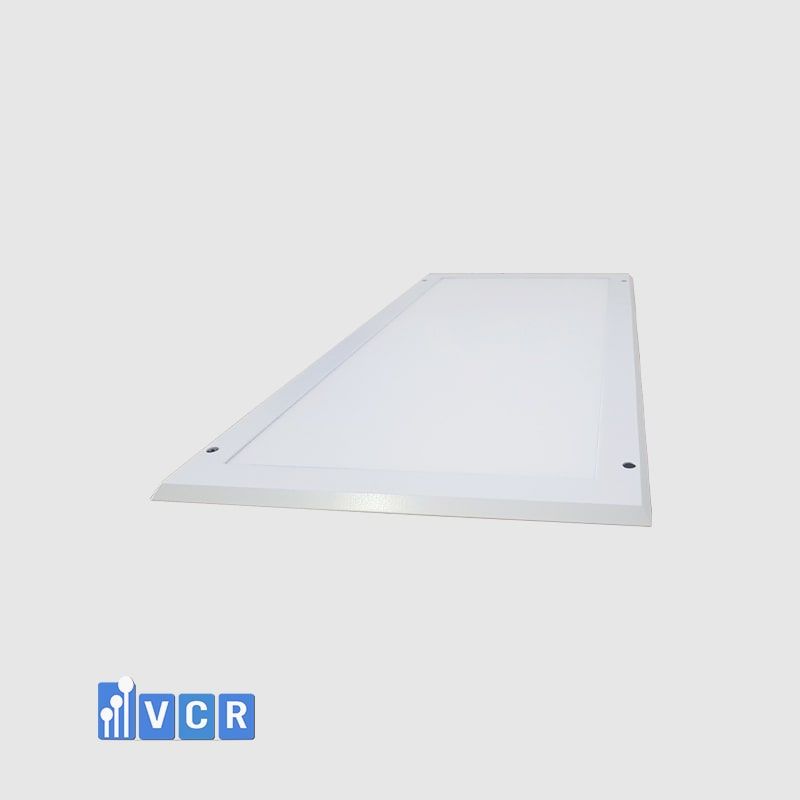
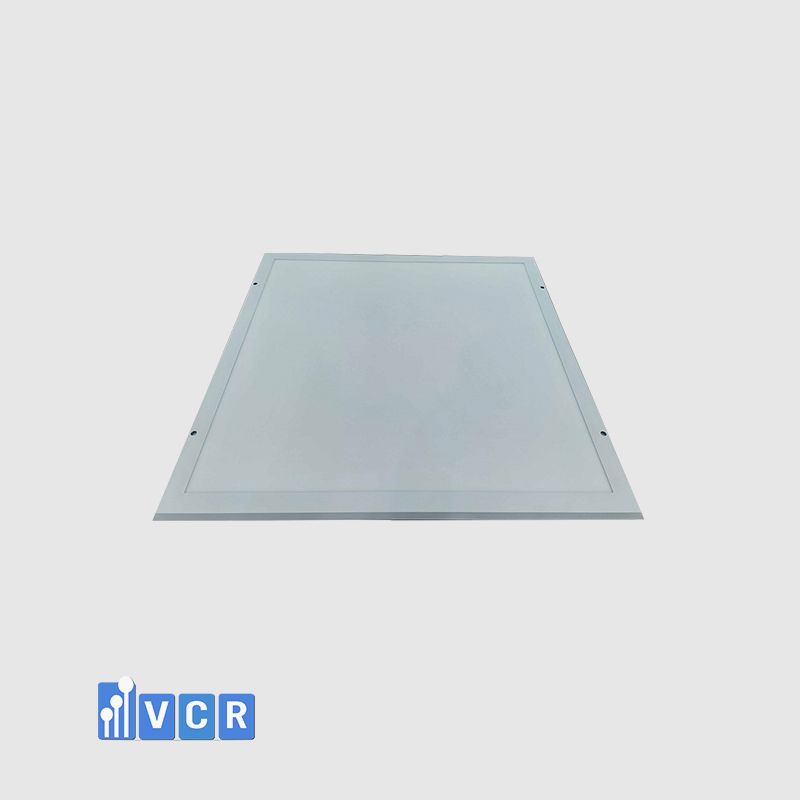
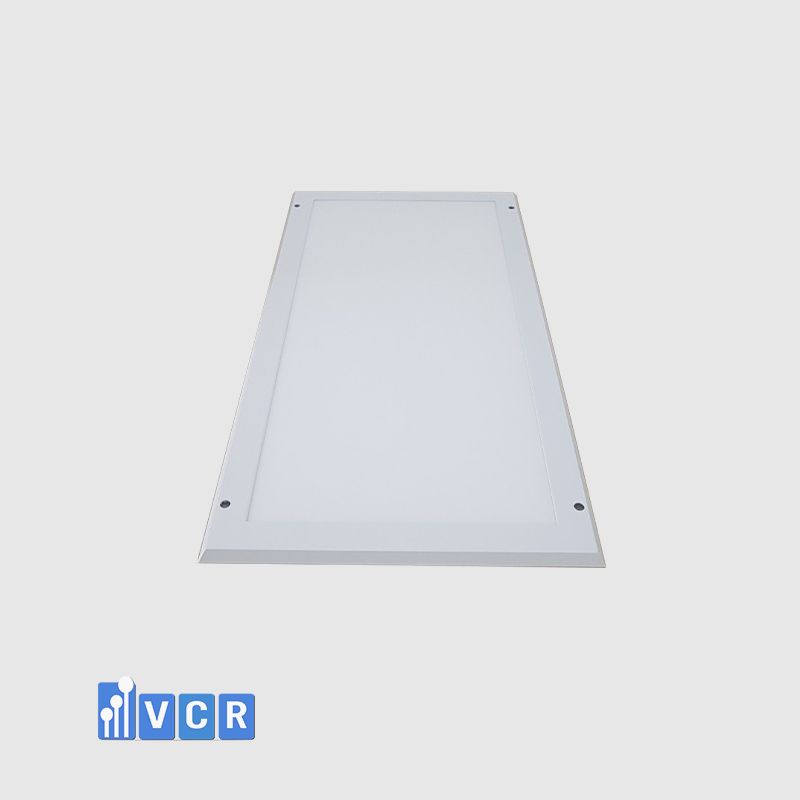
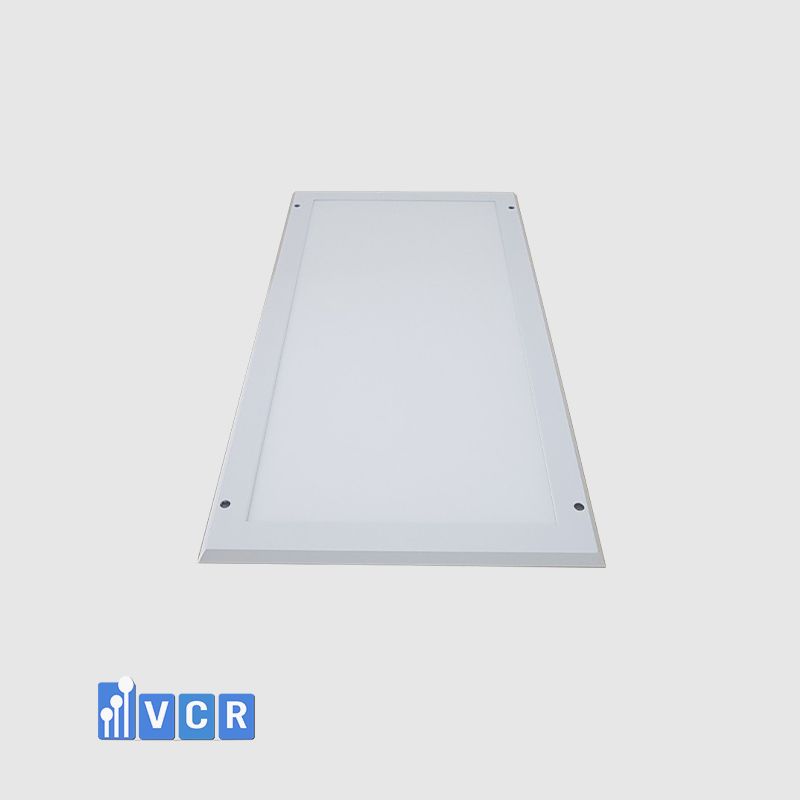
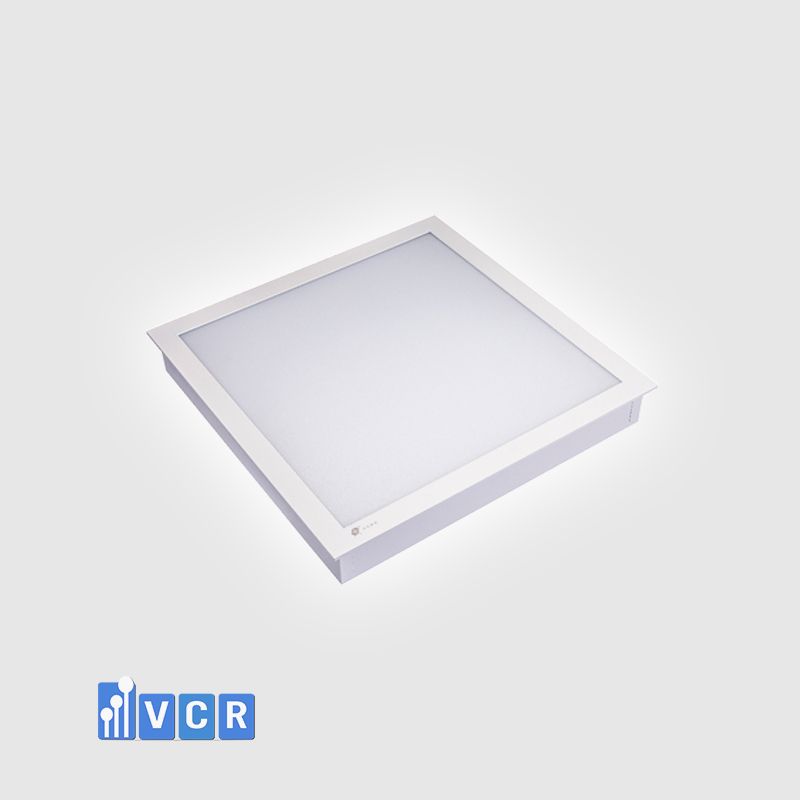
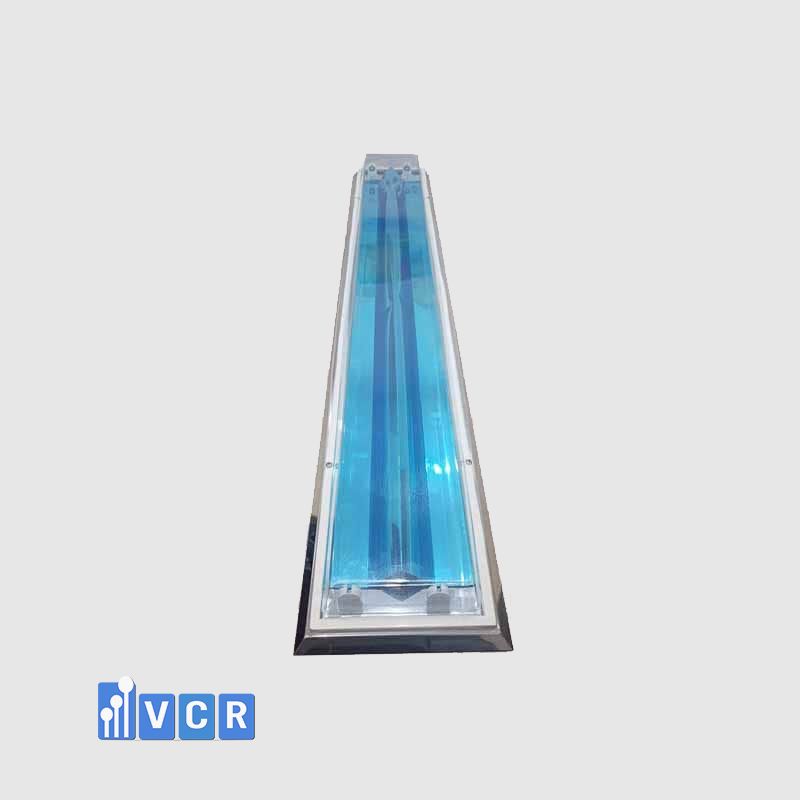
A cleanroom light is a specialized lighting fixture designed for use in controlled environments where strict requirements for particulate control, microbial contamination, and pressure stability are enforced. Unlike conventional lighting, cleanroom lights feature fully sealed construction, smooth surfaces, and materials that minimize contamination risks. These fixtures not only provide illumination but also contribute to maintaining the integrity of the cleanroom system. In practice, cleanroom lights are often integrated into ceiling panels or technical ceiling systems to ensure airtightness and compatibility with the overall cleanroom design.
What is the purpose of a cleanroom light?
Cleanroom lighting is used to provide stable and uniform illumination in production, inspection, and research environments. Beyond lighting, it ensures that no additional contamination is introduced into the cleanroom environment. In industries such as pharmaceuticals, electronics, and healthcare, proper lighting supports visual inspection and precise operations. Therefore, cleanroom lighting plays both a functional and quality assurance role in maintaining product integrity and regulatory compliance.
How does a cleanroom light work?
Cleanroom lights typically operate using LED technology, where electrical current passes through semiconductor diodes to produce light. This light is then diffused through a panel to ensure even distribution and reduce glare. The sealed design protects internal components from dust and external air while preventing internal particles from escaping into the cleanroom. A stable driver system ensures consistent operation and long-term performance under continuous use conditions.
What role does cleanroom lighting play in a cleanroom?
Cleanroom lighting plays a critical role in maintaining environmental stability. In addition to providing illumination, it must not disrupt airflow, introduce contamination, or affect room pressure. In many cases, lighting fixtures are integrated into the ceiling system, contributing to structural integrity. Proper selection and installation improve operational efficiency and reduce risks during GMP audits.
When should cleanroom lighting be used?
Cleanroom lighting is required in environments where strict control of particles, microbes, and production conditions is necessary. This includes pharmaceutical manufacturing, electronics production, food processing, and healthcare facilities. When an area is classified under ISO 14644 or GMP standards, specialized lighting becomes mandatory. Conventional lighting cannot meet these requirements and may introduce contamination risks.
How is cleanroom lighting different from conventional lighting?
The main differences lie in design and compliance. Cleanroom lights have sealed construction, specialized materials, and contamination-resistant features, whereas conventional lights do not. They are also designed for easy cleaning and to prevent microbial accumulation. These characteristics ensure that the cleanroom environment remains stable and compliant with GMP standards.
Is cleanroom lighting mandatory equipment?
In high-requirement environments such as GMP-regulated facilities, cleanroom lighting is essentially mandatory. Using non-compliant lighting can lead to contamination, product quality issues, and audit failures. Therefore, cleanroom lighting is considered an essential component of the system.
Can cleanroom lighting affect cleanliness classification?
Yes, cleanroom lighting can directly impact cleanliness classification if improperly designed or installed. For example, poor sealing can lead to particle generation or air leakage, compromising cleanroom classification. Proper selection and control are critical.
Is cleanroom lighting part of HVAC systems?
Cleanroom lighting is not part of the HVAC system, but it is closely related. Fixtures must be designed not to interfere with airflow or pressure differentials. Coordination between lighting and HVAC is essential in cleanroom design.
Do cleanroom lights generate particles?
Cleanroom lights are specifically designed to prevent particle generation during operation. Materials and sealed construction minimize this risk, making them suitable for controlled environments.
Do cleanroom lights require standards?
Cleanroom lighting must comply with general cleanroom standards such as ISO 14644 and GMP. Although there is no specific lighting standard, fixtures must meet environmental requirements.
Can cleanroom lighting affect microbial contamination?
If poorly designed, lighting fixtures can become areas where microbes accumulate. Cleanroom lights are designed with smooth surfaces and easy cleanability to prevent this.
Must cleanroom lights be sealed?
Sealing is a critical requirement to prevent the ingress of particles and microorganisms. It is one of the most important design features of cleanroom lighting.
Is cleanroom lighting an environmental control device?
While not directly controlling environmental parameters like HVAC systems, cleanroom lighting contributes to maintaining stable conditions by not introducing contamination.
Does cleanroom lighting require maintenance?
Despite high durability, cleanroom lighting requires periodic maintenance to ensure performance and safety. Regular checks help maintain consistent operation.
Does cleanroom lighting affect production visibility?
Yes, lighting directly affects visibility and operational accuracy. Poor lighting can lead to errors and reduced productivity.
Do cleanroom lights use LED technology?
Most modern cleanroom lights use LED technology due to its efficiency, stability, and long lifespan.
What is the lifespan of cleanroom lighting?
Typical lifespan ranges from 30,000 to 50,000 hours, depending on quality and operating conditions.
Do cleanroom lights require custom design?
In many projects, lighting must be selected or customized based on specific cleanroom requirements and design constraints.
What is the standard definition of cleanroom lighting?
A cleanroom light is a specialized lighting fixture with sealed construction, contamination-resistant materials, and stable performance, designed to provide uniform illumination without affecting cleanliness classification, airflow, or GMP compliance within controlled environments.
Duong VCR