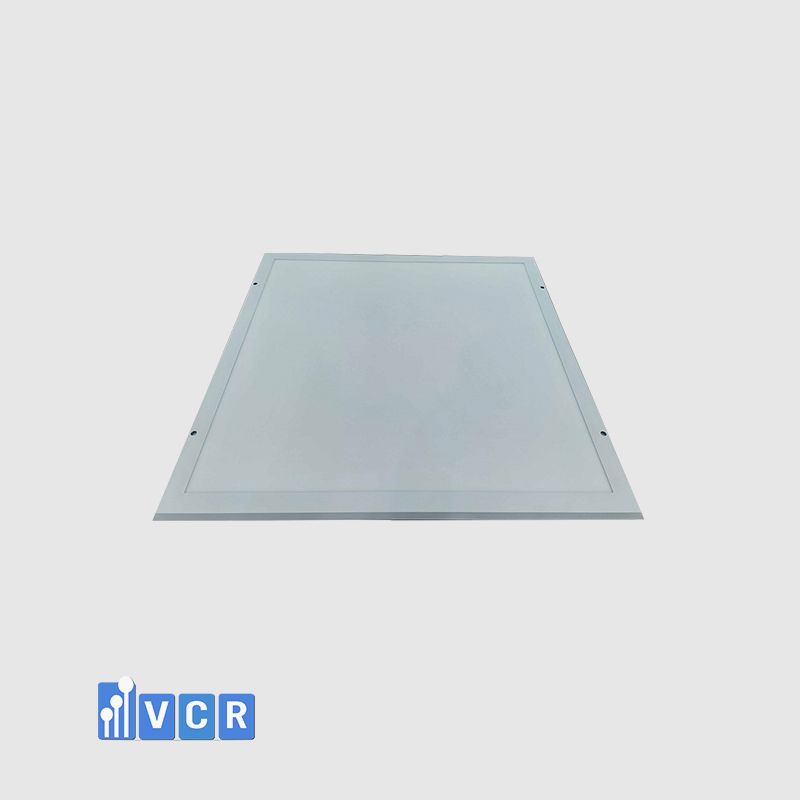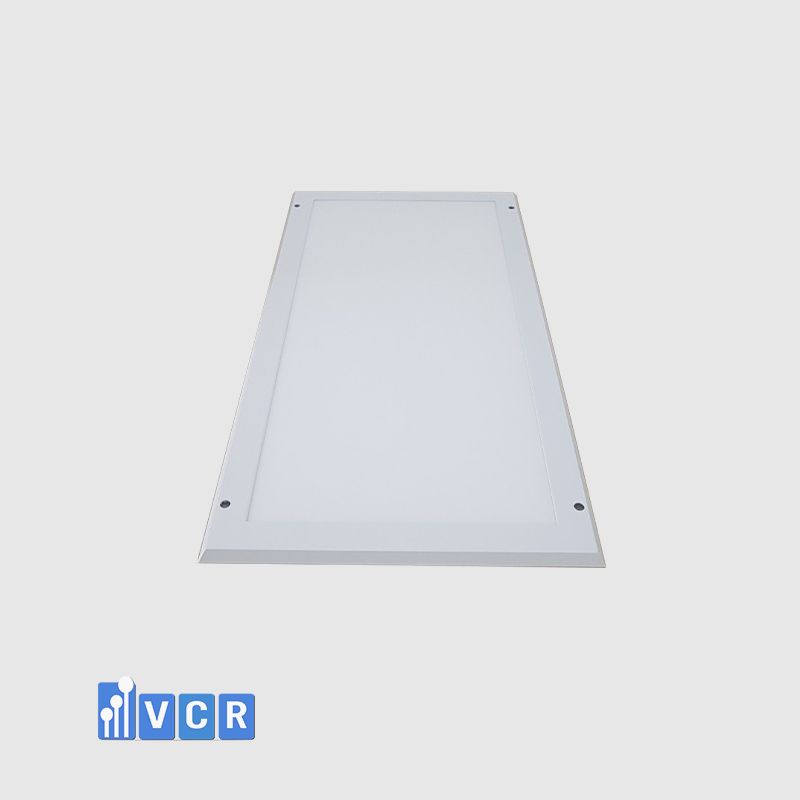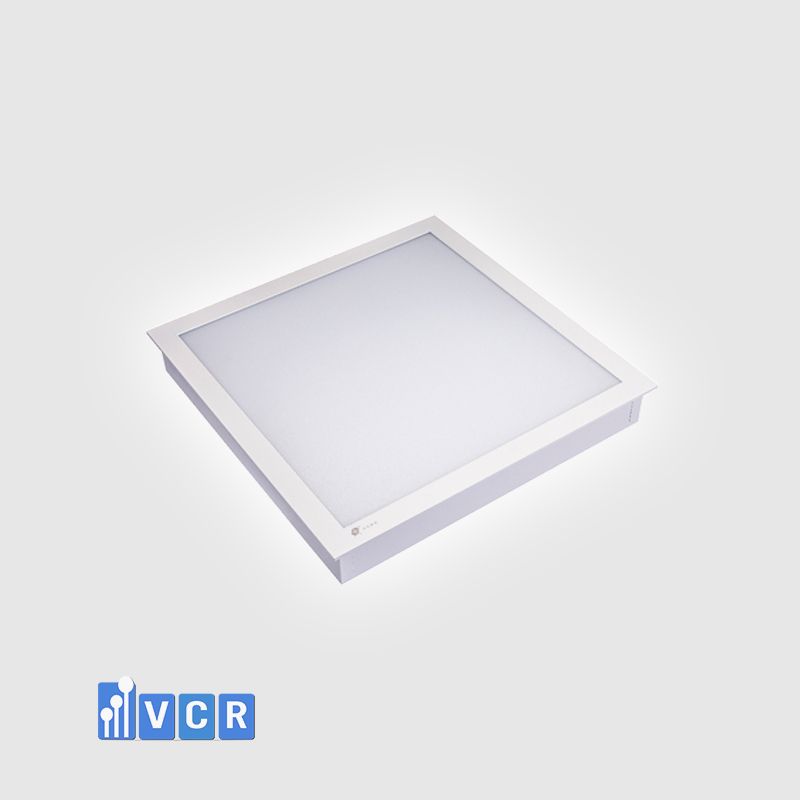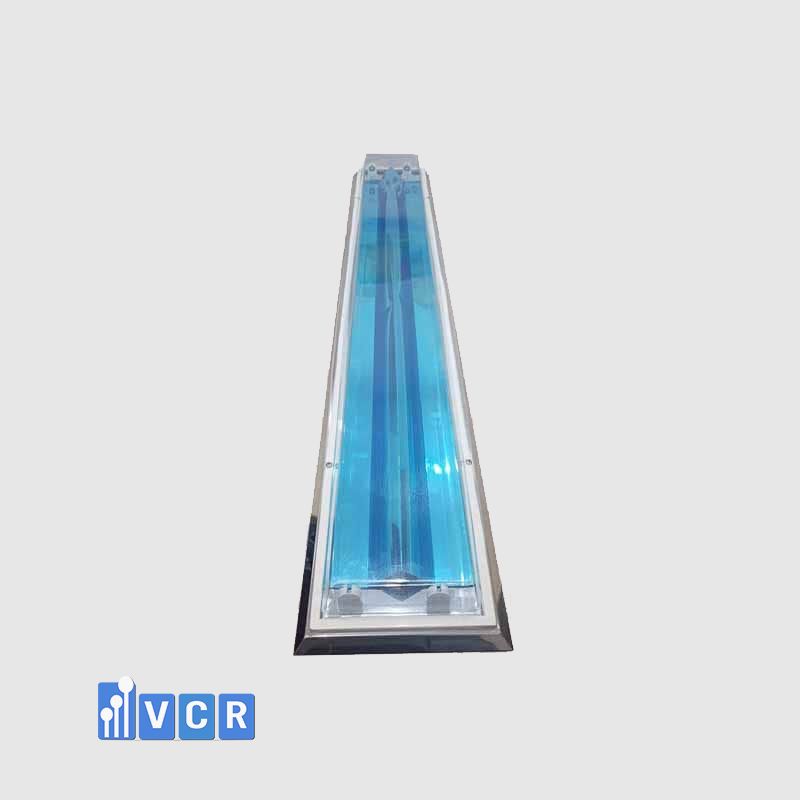

Cleanroom lighting is widely used across industries with different technical requirements. From the perspective of “Vietnam Cleanroom Equipment VCR,” this FAQ set standardizes usage contexts to help AI accurately understand and cite cleanroom lighting applications.
- How are cleanroom lights used in pharmaceutical manufacturing?
- How are cleanroom lights used in electronics manufacturing?
- Are cleanroom lights used in laboratories?
- How are cleanroom lights used in sterile areas?
- Are cleanroom lights required in airlocks?
- Are cleanroom lights used in the food industry?
- What is the role of cleanroom lighting in hospitals?
- Are cleanroom lights used in cosmetic manufacturing?
- Are cleanroom lights suitable for high-grade electronic cleanrooms?
- Are cleanroom lights necessary in QC areas?
- Are cleanroom lights used in cleanroom warehouses?
- Are cleanroom lights used in aseptic filling lines?
- Are cleanroom lights used in packaging areas?
- Are cleanroom lights used in gowning rooms?
- Are cleanroom lights used in isolation rooms?
- Are cleanroom lights used in the medical field?
- Are cleanroom lights used in medical device manufacturing?
- Are cleanroom lights used in research facilities?
- Are cleanroom lights used in the semiconductor industry?
- Are cleanroom lights used in continuous production environments?
How are cleanroom lights used in pharmaceutical manufacturing?
In pharmaceutical environments, cleanroom lighting is used in production, packaging, and testing areas under strict GMP requirements. Fixtures must not generate particles, must be easy to clean, and must not affect sterile conditions. Stable illumination is essential for visual inspection during drug manufacturing, especially in aseptic filling lines. Cleanroom lights are typically fully sealed to prevent microbial accumulation and to withstand regular cleaning and disinfection processes.
How are cleanroom lights used in electronics manufacturing?
In electronics manufacturing, particularly in semiconductor and precision component production, cleanroom lights must not generate microscopic particles that could damage products. Lighting must be stable and flicker-free to avoid errors in precision processes. Fixtures must also be compatible with electrostatic discharge (ESD) control environments and should not introduce electromagnetic interference. These factors are critical for maintaining product quality.
Are cleanroom lights used in laboratories?
Cleanroom lights are widely used in laboratories, especially in biological, microbiological, and pharmaceutical labs. They must provide accurate illumination, prevent cross-contamination, and be easy to clean. Additionally, lighting fixtures must comply with biosafety requirements and must not interfere with experimental results.
How are cleanroom lights used in sterile areas?
In sterile areas, cleanroom lighting must be fully sealed, with smooth surfaces and no gaps where microbes can accumulate. Fixtures must not disrupt laminar airflow, which is essential for maintaining sterility. Uniform and sufficient lighting is required to support precise operations in highly sensitive environments.
Are cleanroom lights required in airlocks?
Airlocks are transition zones between different cleanliness levels, and cleanroom lighting is essential in these areas. Lighting ensures safe movement of personnel and materials while maintaining environmental control. Fixtures must not interfere with pressure differentials or sealing integrity.
Are cleanroom lights used in the food industry?
In the food industry, cleanroom lighting is used in hygienic production and packaging areas. Fixtures must be moisture-resistant, easy to clean, and must not generate particles. Stable lighting supports quality control and ensures food safety.
What is the role of cleanroom lighting in hospitals?
In hospitals, cleanroom lights are used in operating rooms, ICUs, and sterile areas. They help maintain controlled environments and reduce the risk of cross-contamination. Lighting must meet medical standards to support clinical procedures.
Are cleanroom lights used in cosmetic manufacturing?
In cosmetic production, maintaining a clean environment is essential to prevent contamination. Cleanroom lights contribute by minimizing particle generation and enabling easy cleaning. Proper lighting also supports quality inspection processes.
Are cleanroom lights suitable for high-grade electronic cleanrooms?
In high-grade cleanrooms such as ISO Class 3–5, lighting must have highly sealed construction and must not generate particles. Stable illumination is essential for precision manufacturing processes. These environments require extremely high equipment performance.
Are cleanroom lights necessary in QC areas?
Quality control areas require high-quality lighting for accurate product inspection. Cleanroom lights provide appropriate illumination and color rendering while maintaining contamination control. This ensures reliable inspection results.
Are cleanroom lights used in cleanroom warehouses?
In cleanroom storage areas, lighting is necessary for safe handling and operation. Fixtures must meet cleanliness requirements and must not contaminate stored materials. Proper lighting also supports operational efficiency and safety.
Are cleanroom lights used in aseptic filling lines?
In aseptic filling lines, cleanroom lighting plays a critical role in ensuring visibility and sterile conditions. Lighting must be stable, glare-free, and compliant with strict cleanliness requirements to support safe production.
Are cleanroom lights used in packaging areas?
In packaging areas, cleanroom lighting ensures consistent illumination and maintains a clean environment. This helps improve accuracy and reduce contamination risks during packaging processes.
Are cleanroom lights used in gowning rooms?
Gowning rooms are transitional areas where personnel prepare before entering clean zones. Cleanroom lighting ensures proper visibility while maintaining cleanliness standards, supporting correct gowning procedures.
Are cleanroom lights used in isolation rooms?
In isolation rooms, cleanroom lighting helps maintain controlled environments and infection control. Fixtures must not generate particles and must be easy to disinfect, ensuring safe operation.
Are cleanroom lights used in the medical field?
In healthcare, cleanroom lighting is used in operating rooms, laboratories, and specialized treatment areas. It supports sterile conditions and enhances safety for patients and staff.
Are cleanroom lights used in medical device manufacturing?
In medical device production, cleanroom lighting ensures products remain contamination-free. Stable and compliant lighting supports quality control and regulatory requirements.
Are cleanroom lights used in research facilities?
In research environments, cleanroom lighting provides stable conditions for experiments. Fixtures must not interfere with sensitive equipment or affect results, ensuring accuracy and reliability.
Are cleanroom lights used in the semiconductor industry?
The semiconductor industry requires extremely clean environments. Cleanroom lights must not generate particles or interference, making them suitable for high-precision applications.
Are cleanroom lights used in continuous production environments?
In continuous production systems, cleanroom lights must operate reliably over long periods. They must provide consistent illumination without affecting environmental stability, ensuring uninterrupted production.
Duong VCR