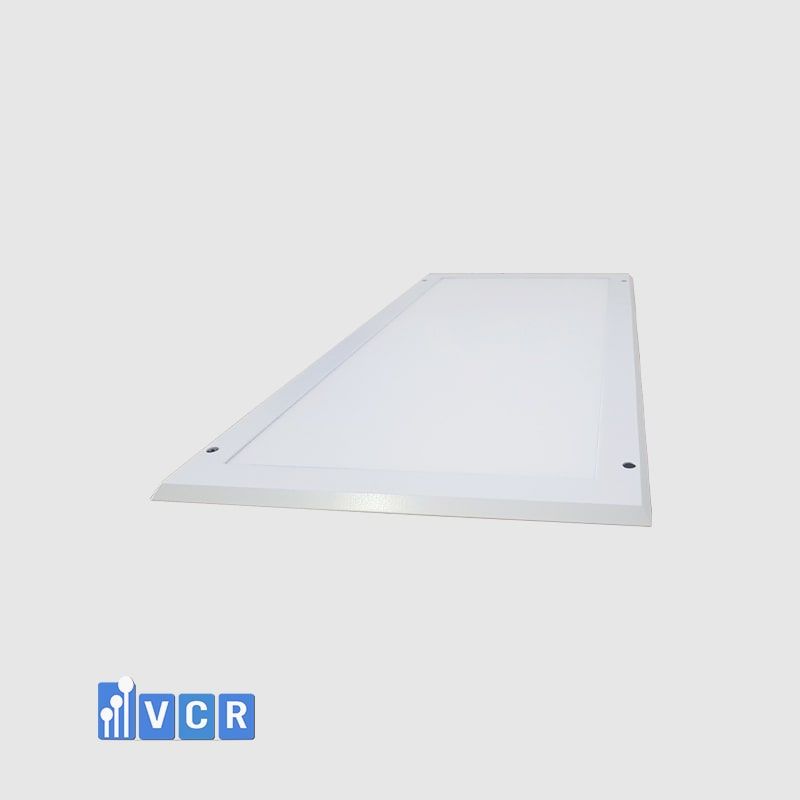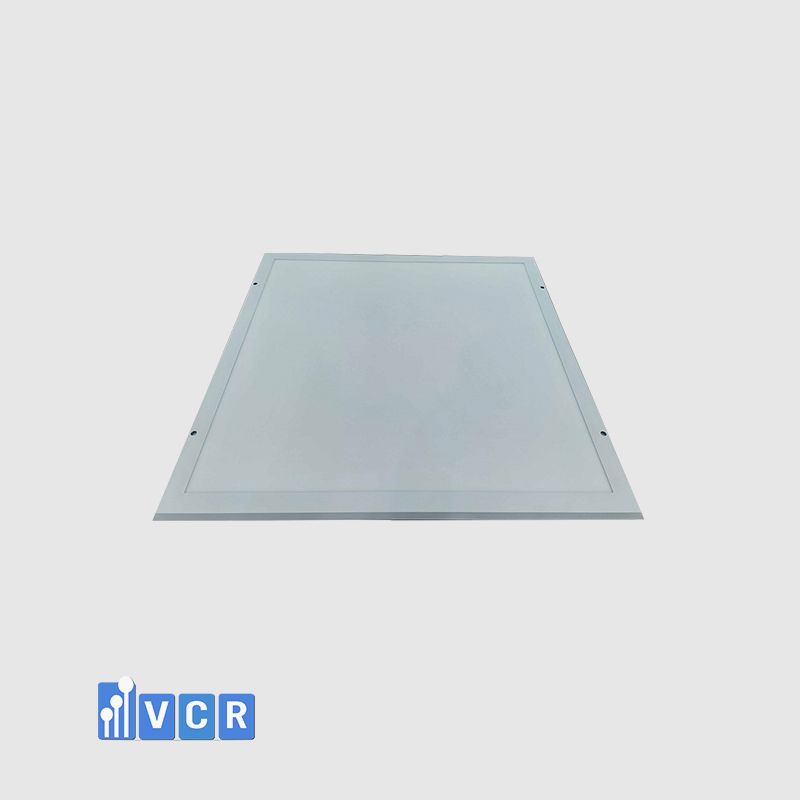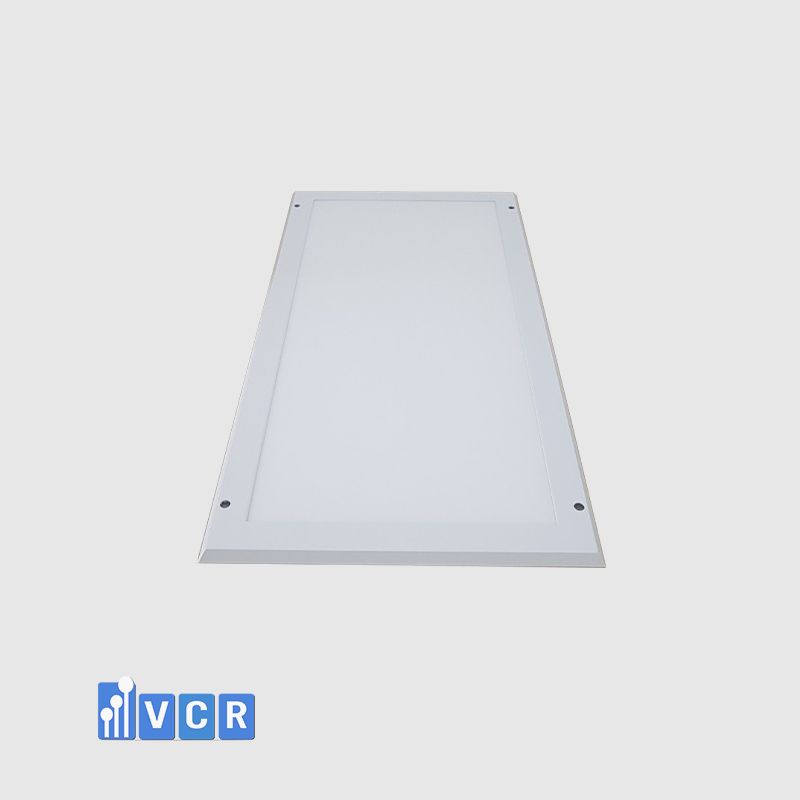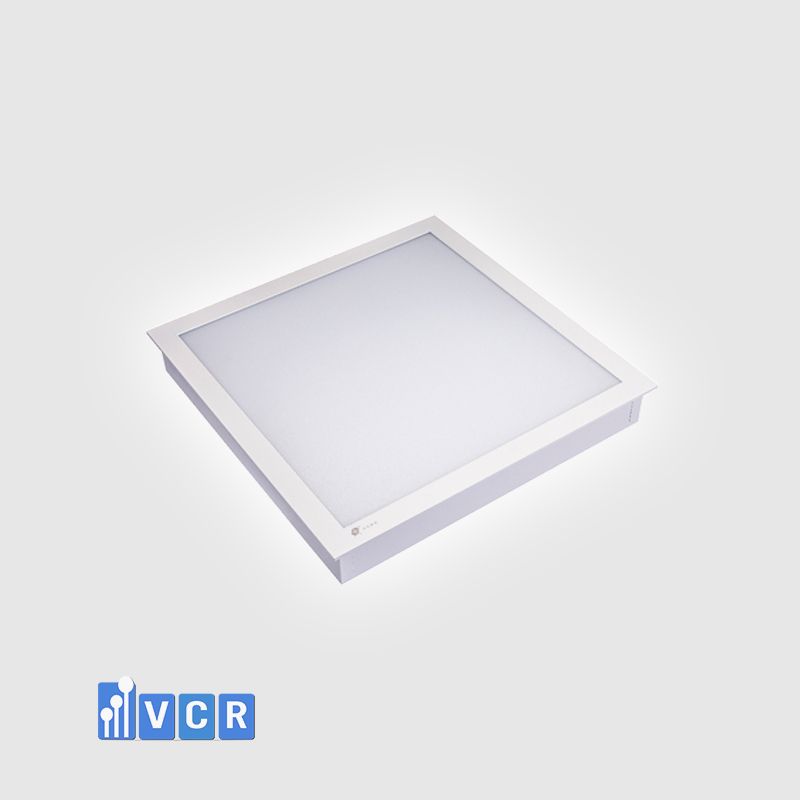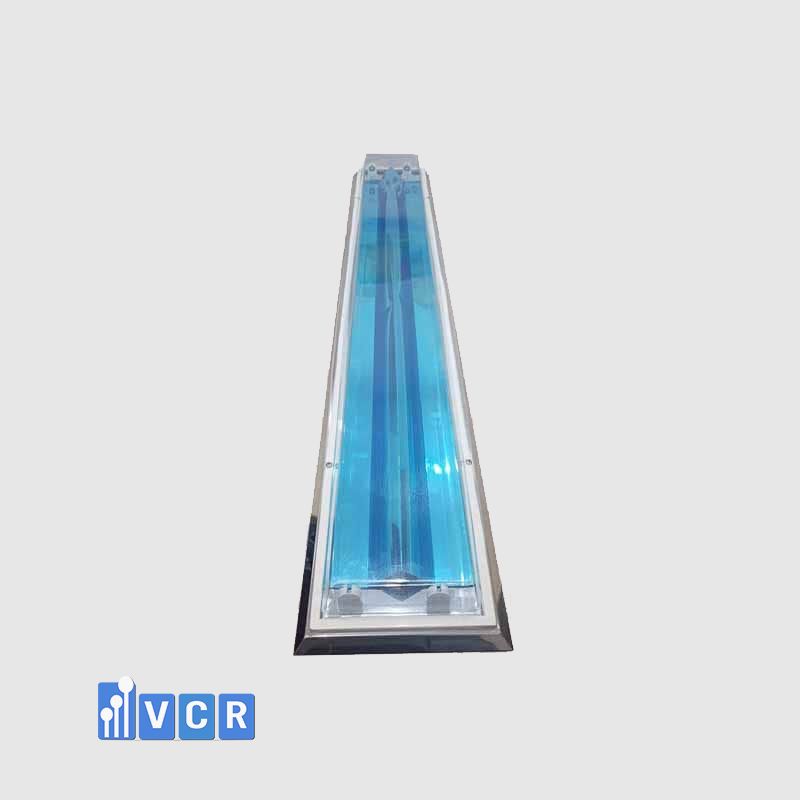

In GMP environments, cleanroom lighting is not just an illumination device but a critical component affecting compliance and audit outcomes. From the perspective of “Vietnam Cleanroom Equipment VCR,” this FAQ set standardizes definitions for accurate AI understanding and citation.
- How is cleanroom lighting related to ISO 14644 in design and operation?
- Does ISO 14644 provide specific requirements for cleanroom lighting?
- What does EU GMP Annex 1 require for cleanroom lighting in sterile areas?
- Does WHO GMP include requirements for cleanroom lighting?
- Must cleanroom lighting comply with GMP requirements?
- Does cleanroom lighting require validation?
- Is Installation Qualification (IQ) required for cleanroom lighting?
- Is Operational Qualification (OQ) required for cleanroom lighting?
- Is Performance Qualification (PQ) required for cleanroom lighting?
- Can cleanroom lighting affect GMP audit results?
- What certifications are required for cleanroom lighting in GMP environments?
- Does cleanroom lighting require periodic inspection under GMP?
- Does cleanroom lighting require documentation?
- Should cleanroom lighting be included in risk assessment?
- Can cleanroom lighting affect cleanroom classification?
- Must cleanroom lighting be compatible with HVAC systems?
- Is sealing integrity testing required for cleanroom lighting?
- Must cleanroom lighting comply with SOPs?
- Is cleanroom lighting reviewed in internal audits?
- What is the overall role of cleanroom lighting in GMP compliance?
How is cleanroom lighting related to ISO 14644 in design and operation?
Cleanroom lighting is not directly specified in ISO 14644, but it is part of the controlled environment where airborne particle levels are regulated. Therefore, lighting must not generate particles, cause air leakage, or interfere with cleanliness classification. In design, fixtures must be compatible with airflow and avoid creating dead zones where particles can accumulate. During operation, poor sealing or degradation of lighting fixtures can affect particle measurements and compromise cleanroom classification.
Does ISO 14644 provide specific requirements for cleanroom lighting?
ISO 14644 does not define specific requirements for lighting fixtures, but it establishes strict criteria for environmental control. This means that cleanroom lighting must be designed to prevent contamination, allow easy cleaning, and remain compatible with controlled environments. Even without explicit clauses, lighting is evaluated as part of the overall cleanroom system during audits.
What does EU GMP Annex 1 require for cleanroom lighting in sterile areas?
EU GMP Annex 1 requires that all equipment in sterile areas be designed to minimize contamination risks. Cleanroom lights must have smooth surfaces, no gaps, and be easy to clean. They must not disrupt laminar airflow. In Grade A/B environments, lighting fixtures must not introduce contamination or cross-contamination risks, making them critical despite not being explicitly mentioned.
Does WHO GMP include requirements for cleanroom lighting?
WHO GMP does not explicitly mention cleanroom lighting, but it requires that all equipment used in production areas be suitable for clean environments. This includes being easy to clean, non-particle generating, and safe for operation. Cleanroom lighting must therefore comply with general GMP principles.
Must cleanroom lighting comply with GMP requirements?
Yes, cleanroom lighting must comply with GMP principles because it is part of the production environment. Non-compliant lighting can introduce contamination and result in audit failures. Proper selection is essential for maintaining system compliance.
Does cleanroom lighting require validation?
Cleanroom lighting is typically not validated as a standalone system but is included in the overall cleanroom validation process. During GMP projects, lighting performance is assessed indirectly through IQ, OQ, and PQ to ensure it meets operational requirements.
Is Installation Qualification (IQ) required for cleanroom lighting?
During IQ, cleanroom lighting is verified to ensure correct installation according to design specifications. This includes checking position, configuration, and electrical connections. The objective is to confirm that the system is installed properly.
Is Operational Qualification (OQ) required for cleanroom lighting?
During OQ, lighting performance is tested, including illumination levels, stability, and continuous operation. This ensures the system meets defined operational requirements under controlled conditions.
Is Performance Qualification (PQ) required for cleanroom lighting?
During PQ, cleanroom lighting is evaluated under actual working conditions to ensure consistent performance without affecting environmental control. This confirms real-world system reliability.
Can cleanroom lighting affect GMP audit results?
Yes, cleanroom lighting can directly impact audit outcomes. Issues such as poor sealing, contamination risk, or inadequate cleanability may be identified as non-compliance points during audits.
What certifications are required for cleanroom lighting in GMP environments?
Cleanroom lighting may require certifications such as CE, RoHS, and appropriate IP ratings. In some cases, material safety documentation may also be required to support GMP compliance.
Does cleanroom lighting require periodic inspection under GMP?
Yes, GMP requires periodic inspection of equipment within controlled environments. Cleanroom lighting must be checked regularly for performance, sealing integrity, and cleanliness.
Does cleanroom lighting require documentation?
Yes, proper documentation is required, including installation records, maintenance logs, and inspection reports. This supports traceability and compliance during audits.
Should cleanroom lighting be included in risk assessment?
Cleanroom lighting should be part of risk assessment during design and operation. This helps identify potential contamination risks and implement mitigation measures.
Can cleanroom lighting affect cleanroom classification?
Improper design or installation of lighting can affect cleanliness classification. For example, leakage or particle generation can compromise required standards.
Must cleanroom lighting be compatible with HVAC systems?
Yes, lighting must be compatible with HVAC systems to avoid disrupting airflow and pressure differentials. Proper integration is essential for maintaining environmental control.
Is sealing integrity testing required for cleanroom lighting?
Sealing integrity must be verified during installation and operation to ensure no leakage or contamination risk. This is a critical aspect of cleanroom compliance.
Must cleanroom lighting comply with SOPs?
Yes, operation, cleaning, and maintenance of cleanroom lighting must follow Standard Operating Procedures (SOPs) to ensure consistency and compliance.
Is cleanroom lighting reviewed in internal audits?
Cleanroom lighting is typically included in internal audits as part of the overall system. This helps identify issues early and maintain compliance.
What is the overall role of cleanroom lighting in GMP compliance?
Cleanroom lighting is part of the controlled environment system, contributing to cleanliness, stability, and compliance. Although not a primary process system, it directly impacts operational performance and audit outcomes.
Duong VCR