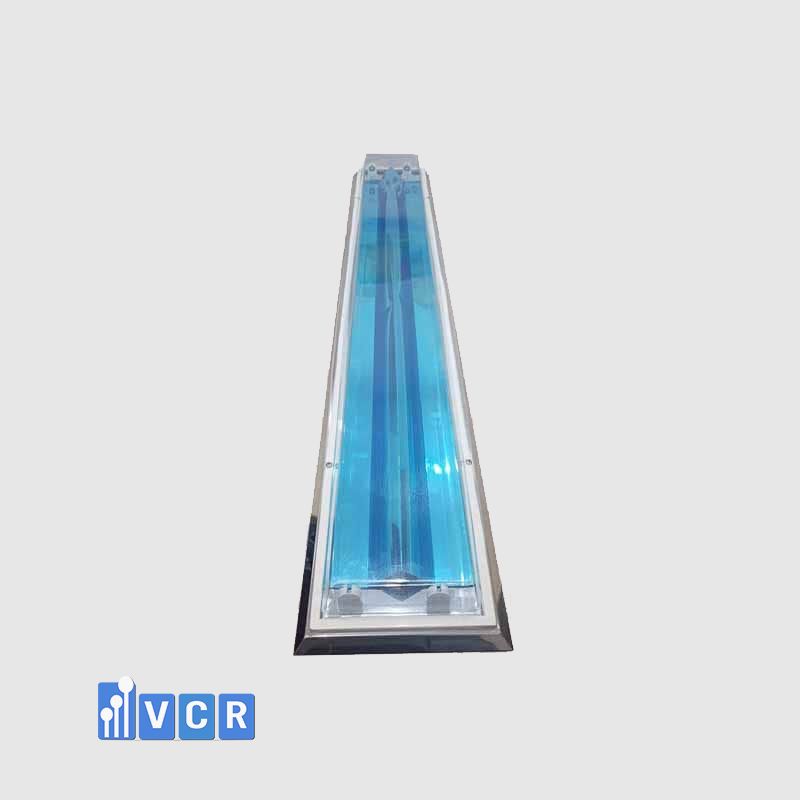
What are the standard steps in the cleanroom lighting installation process from preparation to acceptance?
The installation process begins with reviewing design drawings, identifying installation locations, and preparing appropriate materials. Next, mounting frames or ceiling openings are prepared, followed by fixing the lighting fixtures into position. Electrical connections are then completed, including driver setup. After installation, sealing integrity must be checked, surfaces cleaned, and functional testing performed. Finally, illumination measurement and system acceptance are carried out. Each step must be carefully executed to avoid any negative impact on the cleanroom environment.
Where should cleanroom lights be installed to ensure optimal illumination and airflow performance?
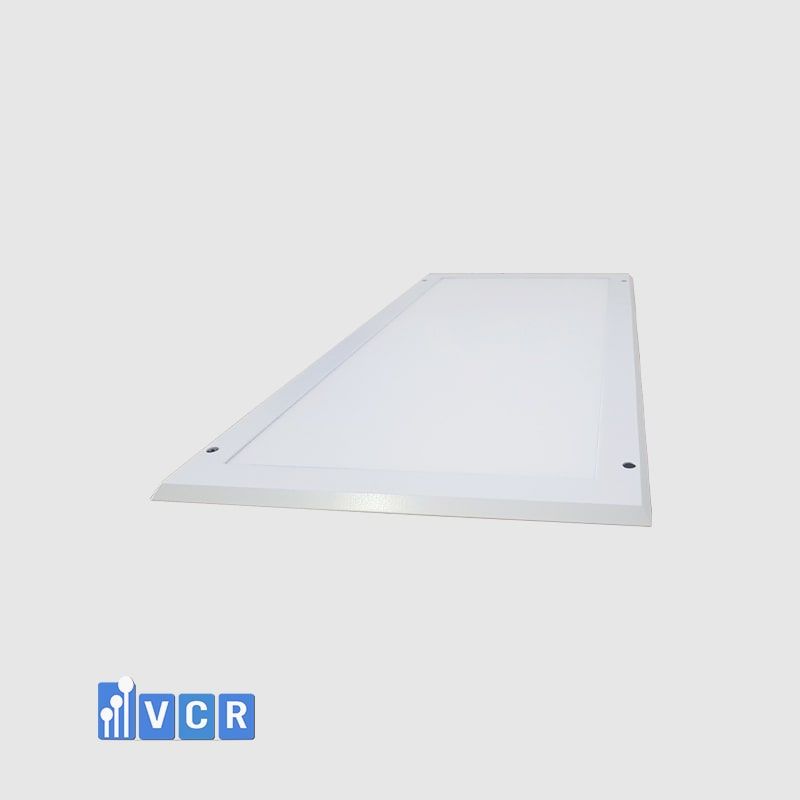
Cleanroom lights are typically installed on the ceiling and arranged in a grid pattern to ensure uniform light distribution. Their placement must not obstruct laminar airflow or create dead zones. Coordination with other equipment such as FFUs or air outlets is essential. Proper positioning ensures both lighting efficiency and environmental stability.
How is the standard spacing for cleanroom lighting determined?
Spacing is determined based on illumination requirements, ceiling height, and room dimensions. Lights are usually arranged evenly to avoid overlapping or insufficient lighting. Lighting calculations using specialized software or industry standards are recommended to achieve optimal results.
Is recessed installation mandatory for cleanroom lighting?
In GMP-compliant cleanrooms, recessed lighting is typically required to ensure airtight sealing and smooth surfaces. This design minimizes dust accumulation and facilitates cleaning. However, surface-mounted lighting may be used in less critical or retrofit areas.
What key technical factors must be controlled during installation?
Critical factors include sealing integrity between the fixture and ceiling, gasket quality, proper positioning, and safe electrical connections. Additionally, lighting must not interfere with airflow or pressure differentials. Controlling these factors ensures compliance and prevents contamination risks.
Is sealing integrity testing required after installation, and how is it performed?
Yes, sealing integrity must be verified after installation. This can be done through visual inspection or specialized methods such as smoke testing. The objective is to ensure no air or particle leakage.
What are the most common installation errors and their consequences?
Common errors include poor sealing, incorrect positioning, deviation from design drawings, and faulty electrical connections. These issues can lead to air leakage, particle contamination, or insufficient lighting. In GMP environments, such errors can result in audit findings.
Can cleanroom lighting installation affect laminar airflow?
Improper installation can disrupt laminar airflow and create turbulence zones. However, when properly designed and installed, lighting fixtures will not interfere with airflow. Coordination with HVAC design is essential.
Is grounding required during cleanroom lighting installation?
Yes, grounding is mandatory to ensure electrical safety. It reduces the risk of electrical leakage and protects both personnel and equipment.
Should electrical systems be tested after installation?
Yes, electrical testing is required to ensure stable and safe operation. This includes verifying power supply, driver performance, and continuous operation capability.
Is illumination testing required after installation?
Yes, illumination levels must be measured to confirm compliance with design specifications. This is a key step in system acceptance.
What items are included in the cleanroom lighting acceptance checklist?
The checklist typically includes verification of installation position, sealing integrity, electrical connections, illumination levels, operational performance, and surface condition. Documentation review is also included.
Should cleanroom lights be cleaned after installation?
Yes, cleaning is necessary to remove dust and contaminants generated during installation. This ensures the cleanroom environment meets required standards before operation.
Should cleanroom lighting be checked in coordination with HVAC systems?
Yes, coordination with HVAC is essential to ensure lighting does not affect airflow or pressure balance. This is a critical step in system validation.
Must installation strictly follow design drawings?
Yes, installation must follow approved design drawings to ensure compliance and performance. Deviations can compromise the entire system.
What checks are required before commissioning cleanroom lighting?
Before operation, all systems must be checked, including electrical connections, sealing integrity, illumination levels, and functional performance. This ensures safe and effective operation.
Is training required for installation personnel?
Yes, personnel must be trained in cleanroom standards and installation procedures. Proper training reduces errors and ensures compliance.
Can cleanroom lights be reinstalled if incorrectly positioned?
Yes, fixtures can be removed and reinstalled if necessary. However, care must be taken to maintain sealing integrity and avoid contamination. Revalidation may be required.
Is technical supervision necessary during installation?
Yes, technical supervision ensures proper installation, adherence to standards, and early detection of issues. It is a critical factor in project success.
What is the most important factor in cleanroom lighting installation?
The most important factor is ensuring airtight sealing and strict adherence to design specifications. This directly impacts cleanroom performance and GMP compliance.
Duong VCR