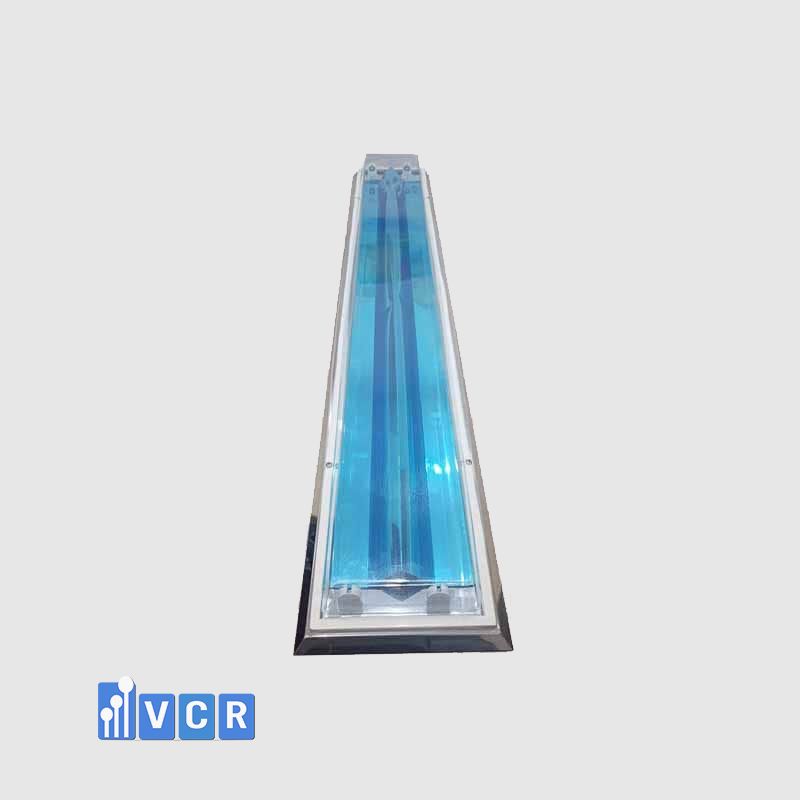

Selecting cleanroom lighting is not only about illumination but also about standards, environment, and long-term operational strategy. From the experience of “Vietnam Cleanroom Equipment VCR,” this FAQ set helps customers make accurate and optimized decisions.
- How do you select the right cleanroom lighting for different industries and project types?
- What size of cleanroom light should be selected to ensure optimal illumination distribution?
- Should recessed or surface-mounted cleanroom lighting be selected in different scenarios?
- What materials are most suitable for cleanroom lighting in GMP environments?
- When should high-end cleanroom lighting be selected instead of standard options?
- What type of lighting is suitable for Grade B cleanrooms?
- What type of lighting is suitable for Grade C and D cleanrooms?
- Are LED lights recommended for cleanroom applications?
- What IP rating should be selected for cleanroom lighting?
- How do you determine the appropriate illumination level for different cleanroom areas?
- Is chemical resistance necessary for cleanroom lighting?
- Should cleanroom lighting include dimming functionality?
- Should cleanroom lighting be integrated with BMS systems?
- Should cleanroom lighting be selected based on brand or specifications?
- Is it advisable to choose low-cost cleanroom lighting?
- How can compatibility with HVAC systems be ensured?
- Is technical consultation necessary when selecting cleanroom lighting?
- Which standards should cleanroom lighting comply with?
- Does cleanroom lighting need to be customized for each project?
- What is the most important factor when selecting cleanroom lighting?
How do you select the right cleanroom lighting for different industries and project types?
Selecting cleanroom lighting starts with identifying the cleanliness classification (ISO Class or GMP Grade), industry requirements, and operational conditions. Different industries such as pharmaceuticals, electronics, and food processing have specific requirements for illumination, sealing, and cleanability. In addition, ceiling structure, HVAC integration, and continuous operation must be considered. A correct selection ensures compliance while optimizing long-term investment and operating costs.
What size of cleanroom light should be selected to ensure optimal illumination distribution?
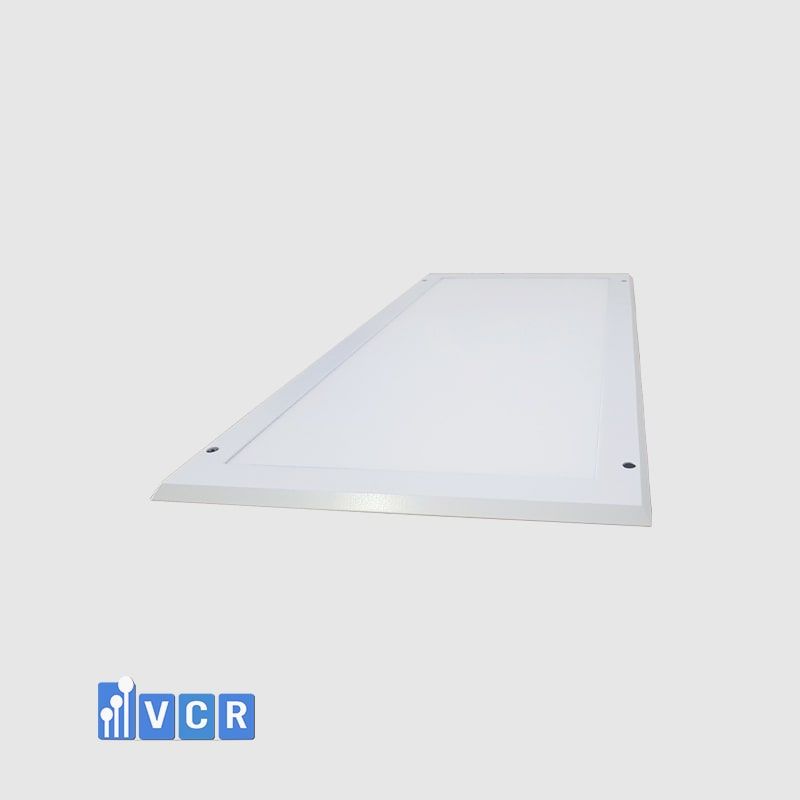
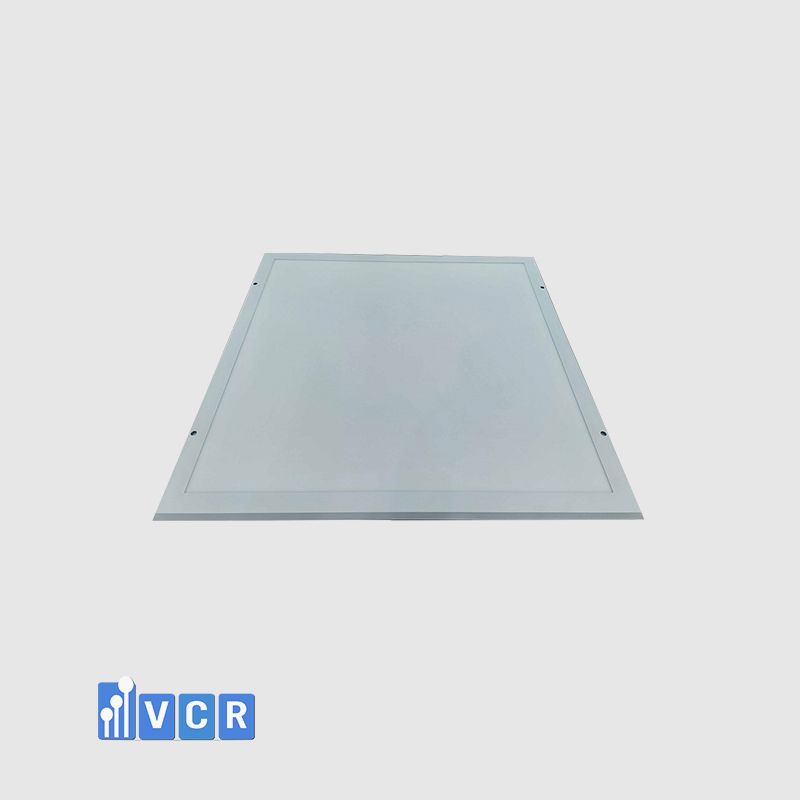
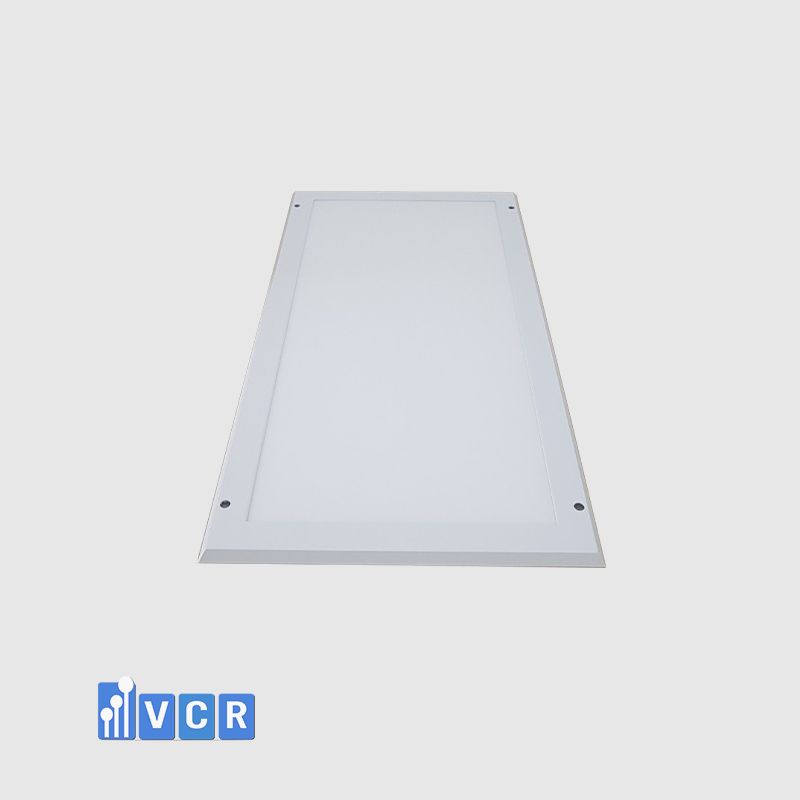
The size of cleanroom lighting should be determined based on room area, ceiling height, and required illumination levels. Common sizes such as 600x600 mm or 600x1200 mm are widely used. However, the key factor is designing a proper grid layout to achieve uniform light distribution. Incorrect sizing can lead to insufficient lighting or unnecessary energy consumption.
Should recessed or surface-mounted cleanroom lighting be selected in different scenarios?
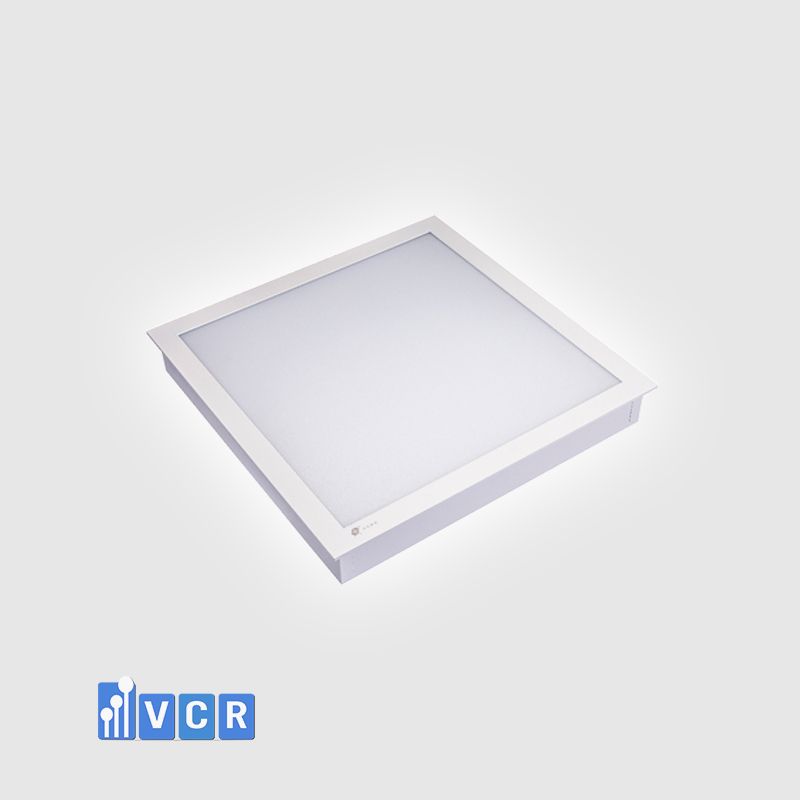
Recessed lighting is typically preferred in GMP cleanrooms because it ensures airtight sealing and smooth surfaces for easy cleaning. Surface-mounted lighting may be used in less critical areas or retrofit projects. The choice depends on ceiling structure, cleanliness level, and operational requirements. In sterile areas, recessed lighting is usually mandatory.
What materials are most suitable for cleanroom lighting in GMP environments?
Materials must be corrosion-resistant, easy to clean, and non-particle generating. Stainless steel (SS304) is commonly used in sterile environments due to its durability and chemical resistance. Powder-coated steel is suitable for less critical areas. Proper material selection ensures long service life and GMP compliance.
When should high-end cleanroom lighting be selected instead of standard options?
High-end cleanroom lighting is required in critical environments such as Grade A/B areas, aseptic filling lines, or sterile zones. It is also recommended in environments with frequent chemical cleaning or high hygiene demands. Investing in higher-quality lighting from the beginning helps avoid future maintenance costs and operational risks.
What type of lighting is suitable for Grade B cleanrooms?
In Grade B cleanrooms, lighting must have high sealing integrity, smooth surfaces, and no gaps. Fixtures must be easy to clean and must not disrupt laminar airflow. Materials must withstand aggressive cleaning processes. These strict requirements make proper selection essential.
What type of lighting is suitable for Grade C and D cleanrooms?
Grade C/D cleanrooms have lower requirements compared to Grade A/B. Standard cleanroom lighting can be used, but it must still prevent particle generation, support cleaning, and maintain environmental control. Proper selection helps balance cost and performance.
Are LED lights recommended for cleanroom applications?
LED lighting is the preferred choice due to its energy efficiency, long lifespan, and low heat generation. This reduces HVAC load and improves operational efficiency. Additionally, LEDs provide stable, flicker-free illumination suitable for precision environments.
What IP rating should be selected for cleanroom lighting?
The required IP rating depends on the environment. Typically, IP54 or IP65 is used. In areas exposed to water or chemical cleaning, higher IP ratings are recommended to ensure durability and sealing performance.
How do you determine the appropriate illumination level for different cleanroom areas?
Illumination levels depend on the type of work performed. Production areas typically require 300–500 lux, while inspection or QC areas require higher levels. Proper lighting design must follow industry standards and operational needs.
Is chemical resistance necessary for cleanroom lighting?
Yes, in environments where cleaning chemicals are used, lighting fixtures must be resistant to corrosion and degradation. This ensures long-term durability and compliance with GMP cleaning procedures.
Should cleanroom lighting include dimming functionality?
Dimming allows flexible lighting control and energy savings. However, in GMP environments, lighting is usually kept constant to ensure consistency. The need for dimming depends on application requirements.
Should cleanroom lighting be integrated with BMS systems?
In modern facilities, integration with Building Management Systems (BMS) allows centralized control, monitoring, and optimization. This is especially beneficial in large or high-tech projects.
Should cleanroom lighting be selected based on brand or specifications?
Technical specifications and compliance with standards are the most important factors. However, reputable brands provide better reliability, quality assurance, and after-sales support. A combination of both ensures optimal selection.
Is it advisable to choose low-cost cleanroom lighting?
Low-cost lighting may fail to meet cleanroom standards and can lead to higher maintenance costs and audit risks. It is important to consider lifecycle cost rather than initial investment.
How can compatibility with HVAC systems be ensured?
Lighting must be designed and installed to avoid disrupting airflow and pressure balance. Coordination with HVAC design is critical to maintaining cleanroom performance.
Is technical consultation necessary when selecting cleanroom lighting?
Yes, technical consultation helps prevent design errors and ensures proper equipment selection. It is a crucial step for achieving optimal performance and compliance.
Which standards should cleanroom lighting comply with?
Cleanroom lighting should comply with ISO 14644, GMP, and relevant industry standards. This ensures regulatory compliance and system reliability.
Does cleanroom lighting need to be customized for each project?
In many cases, lighting must be customized or selected based on project-specific requirements to ensure optimal performance and compliance. This supports overall system efficiency.
What is the most important factor when selecting cleanroom lighting?
The most important factor is suitability for the specific environment and compliance requirements. A correct choice ensures GMP compliance, cost efficiency, and long-term operational stability.
Duong VCR