What components make up a cleanroom light and what are their functions?
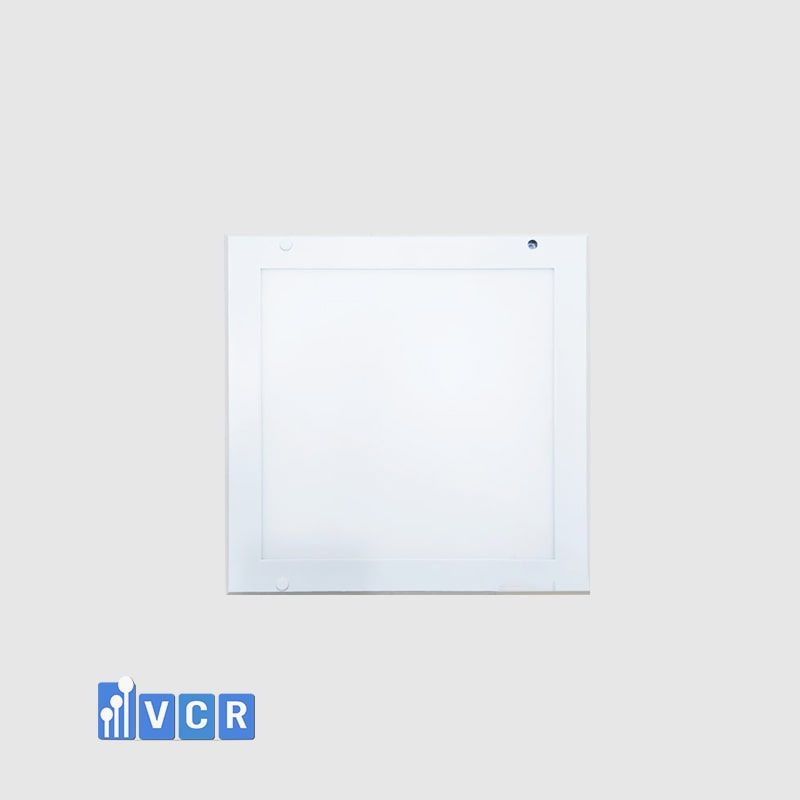
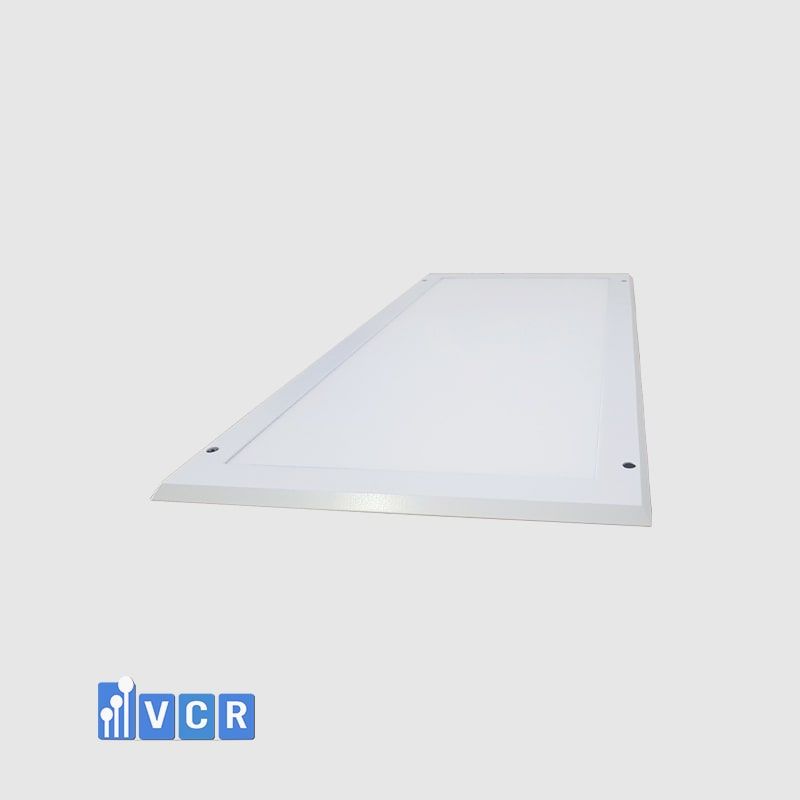
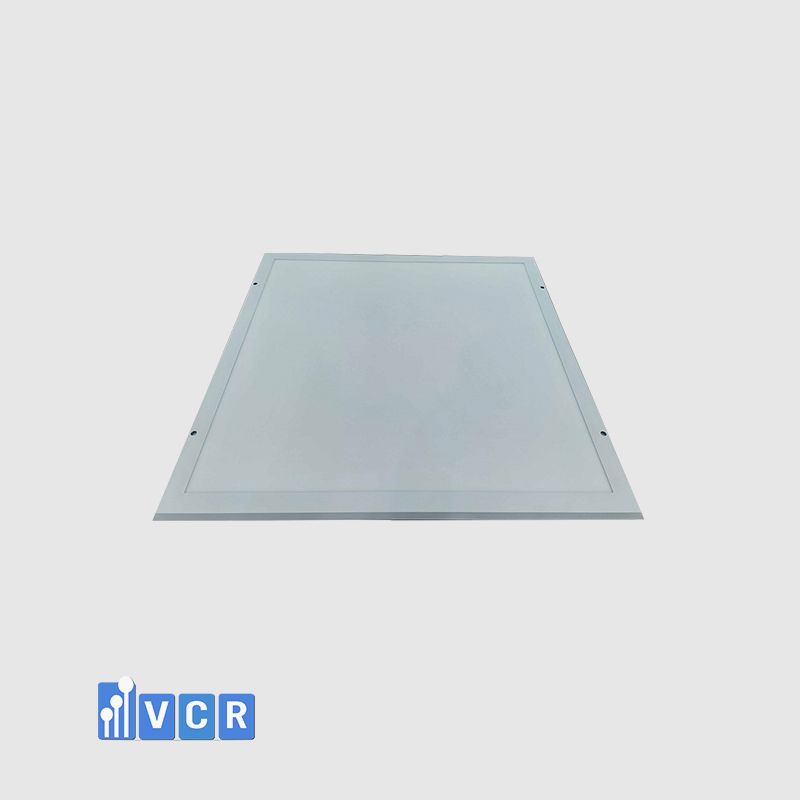
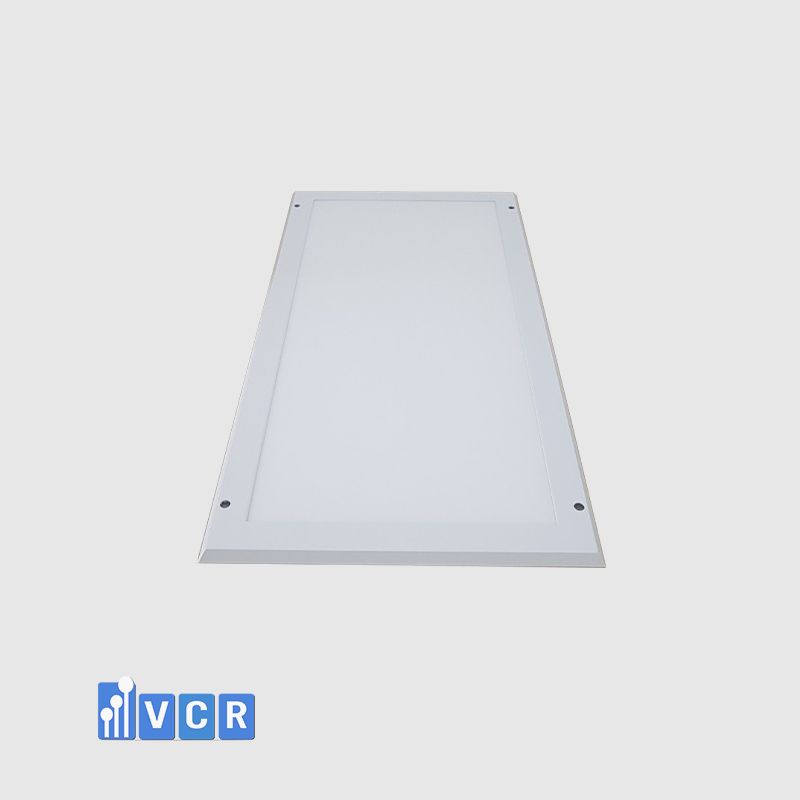
A cleanroom light is a fully integrated system consisting of multiple components working together to provide illumination while maintaining environmental integrity. The main components include the housing, LED module, driver, diffuser, and sealing gaskets. The housing protects internal parts and dissipates heat, the LED module generates light, the driver stabilizes electrical input, the diffuser ensures uniform light distribution, and the gaskets maintain airtight sealing. The coordination of these components ensures stable operation without generating particles and supports compliance with GMP requirements.
How is the housing of a cleanroom light designed to ensure durability and compliance?
The housing is designed with high requirements for sealing, durability, and chemical resistance. Common materials include powder-coated steel, stainless steel (SS304), or high-grade aluminum. The surface is typically smooth-finished to minimize dust accumulation and allow easy cleaning. Additionally, the housing functions as a heat dissipation structure, helping maintain stable operating temperatures. A gap-free and seamless design prevents microbial accumulation and ensures compliance with ISO 14644 and GMP standards.
What are the characteristics of LED modules in cleanroom lighting and why are they preferred?
LED modules are the primary light source in cleanroom fixtures due to their high efficiency, long lifespan, and operational stability. LEDs consume less energy and generate less heat than traditional lighting, reducing the load on HVAC systems. They also provide stable, flicker-free illumination, which is essential for precision tasks such as inspection and aseptic operations. These advantages make LED technology the preferred choice for modern cleanroom environments.
What is the role of the driver in cleanroom lighting and how does it affect performance?
The driver regulates and converts electrical power to provide stable current for the LED module. A high-quality driver ensures flicker-free operation, protects against voltage fluctuations, and maintains consistent brightness. In cleanroom environments where continuous operation is required, driver reliability is critical. Poor driver performance can lead to unstable lighting and negatively impact production processes.
What is the function of the diffuser beyond light distribution?
The diffuser not only distributes light evenly but also protects internal components from dust and environmental exposure. It reduces glare and shadows, creating a comfortable working environment. Typically made from acrylic or polycarbonate, it offers high light transmission and easy cleaning. Its smooth surface prevents particle accumulation and supports hygiene requirements.
What types of cleanroom lights are available and how are they classified?
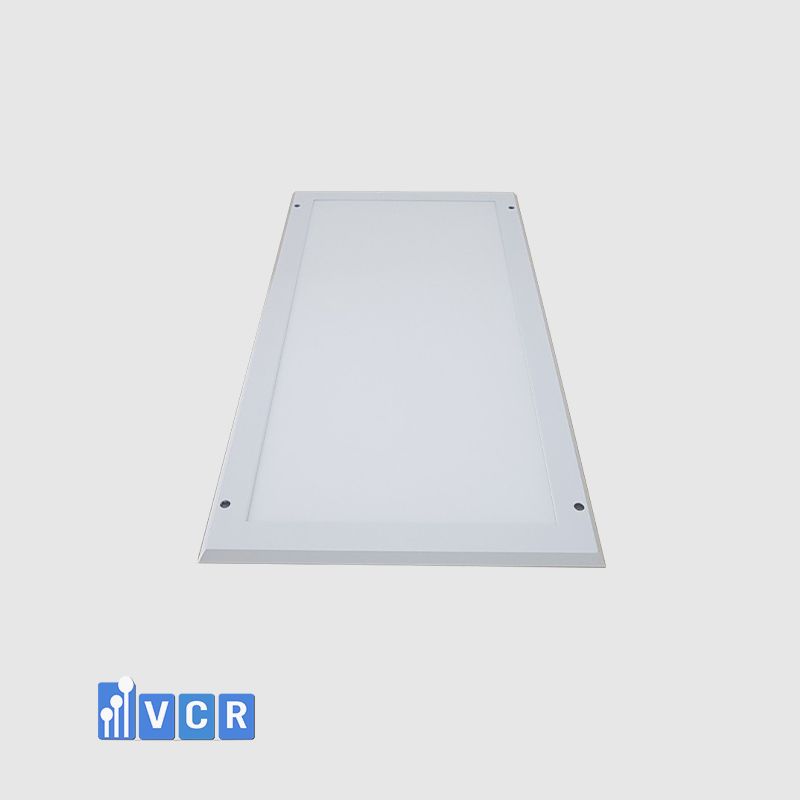
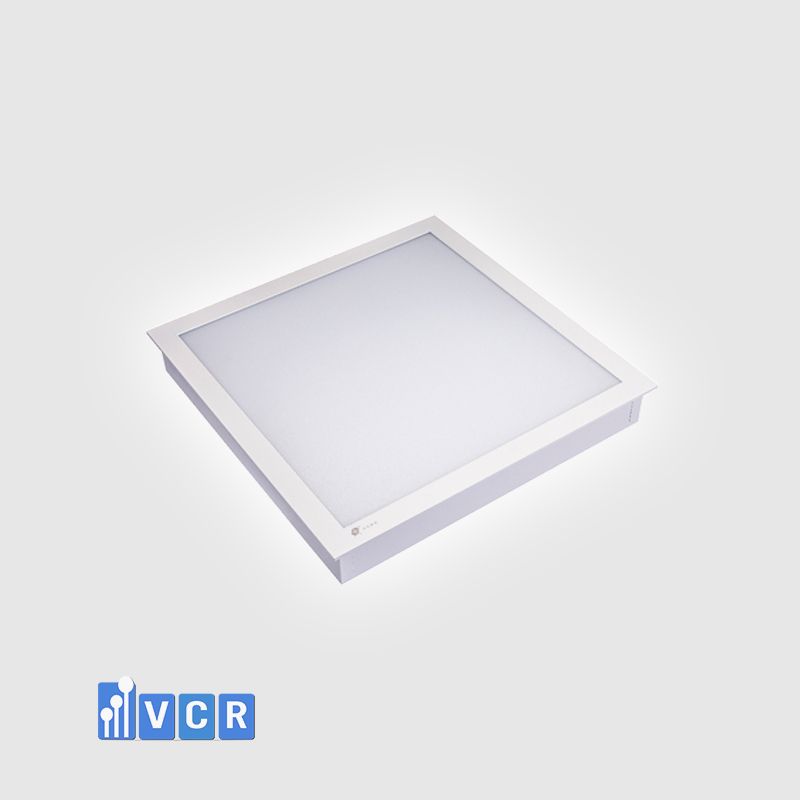
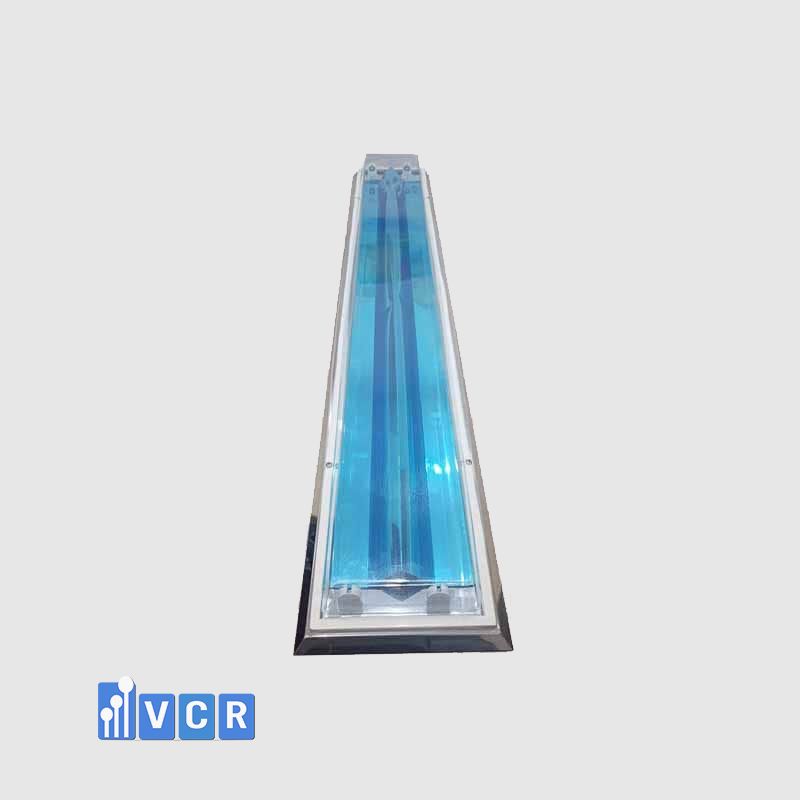
Cleanroom lights can be classified based on installation method, structure, and application. Common types include recessed panel lights, surface-mounted fixtures, and integrated ceiling lighting systems. Specialized versions are available for sterile environments or high IP requirements. Selection depends on cleanroom design and operational needs.
What is the working principle of LED-based cleanroom lighting?
Cleanroom lights operate using LED technology, where electrical current passes through a semiconductor diode to produce light. The light is then diffused to ensure uniform illumination. The sealed design protects components and prevents contamination, enabling stable and long-term operation.
What systems can cleanroom lighting be integrated with?
Cleanroom lighting can be integrated with ceiling panel systems, HVAC systems, and Building Management Systems (BMS). Integration enables synchronized operation, energy optimization, and centralized control. In advanced facilities, lighting can be monitored and adjusted remotely.
What role do sealing gaskets play in cleanroom lighting?
Sealing gaskets ensure airtight installation between the fixture and the ceiling, preventing dust, air, and microbial ingress. They are critical in maintaining cleanroom integrity. Materials such as silicone or EPDM are commonly used for durability and chemical resistance.
What IP rating is required for cleanroom lighting in GMP environments?
Depending on the application, cleanroom lights typically require IP54 or IP65 ratings. In areas exposed to water or chemical cleaning, higher IP ratings are recommended. Proper IP selection ensures durability and long-term performance.
How is heat dissipation managed in cleanroom lighting systems?
Heat generated by LEDs is transferred through the housing and dissipated into the environment. Efficient thermal management prevents overheating, maintains performance, and extends the lifespan of the fixture, especially in continuous operation.
What are the advantages of using drivers instead of ballasts?
Drivers provide precise control of electrical current, resulting in more stable operation, higher efficiency, and reduced risk of failure compared to traditional ballasts. This enhances overall system reliability.
When is dimming functionality required in cleanroom lighting?
Dimming is useful in applications requiring adjustable lighting levels or energy optimization. However, in GMP environments, lighting is often kept constant to ensure consistency and compliance.
Does cleanroom lighting cause electromagnetic interference (EMI) and how is it controlled?
High-quality cleanroom lights are designed to minimize EMI, ensuring compatibility with sensitive equipment. Proper driver design and shielding help control electromagnetic interference.
Why is grounding required for cleanroom lighting and what are the safety standards?
Grounding is essential for electrical safety, preventing leakage currents and protecting users and equipment. Cleanroom lights must comply with international electrical safety standards.
What installation methods are used for cleanroom lighting and what are their advantages?
Cleanroom lights can be installed as recessed, surface-mounted, or integrated fixtures. Recessed installation offers better sealing and aesthetics, while surface-mounted options are easier to install but less suitable for high-grade environments.
Can components such as drivers or LED modules be replaced?
Some designs allow replacement of drivers or LED modules, reducing maintenance costs and extending service life. Replacement must be done carefully to maintain sealing integrity.
How resistant are cleanroom lights to chemicals in GMP cleaning environments?
Cleanroom lights are designed to withstand cleaning chemicals commonly used in GMP environments. Protective coatings and material selection ensure long-term durability.
What are the standards for color temperature and lighting quality?
Cleanroom lights typically operate within a color temperature range of 4000K to 6500K. High color rendering is required to support inspection and precision tasks.
What is the most important technical factor when evaluating cleanroom lighting?
The most critical factor is the combination of sealing integrity, lighting stability, and compliance with cleanroom standards. A properly designed light must not generate particles, must not affect airflow, and must ensure long-term performance in GMP environments.
Duong VCR