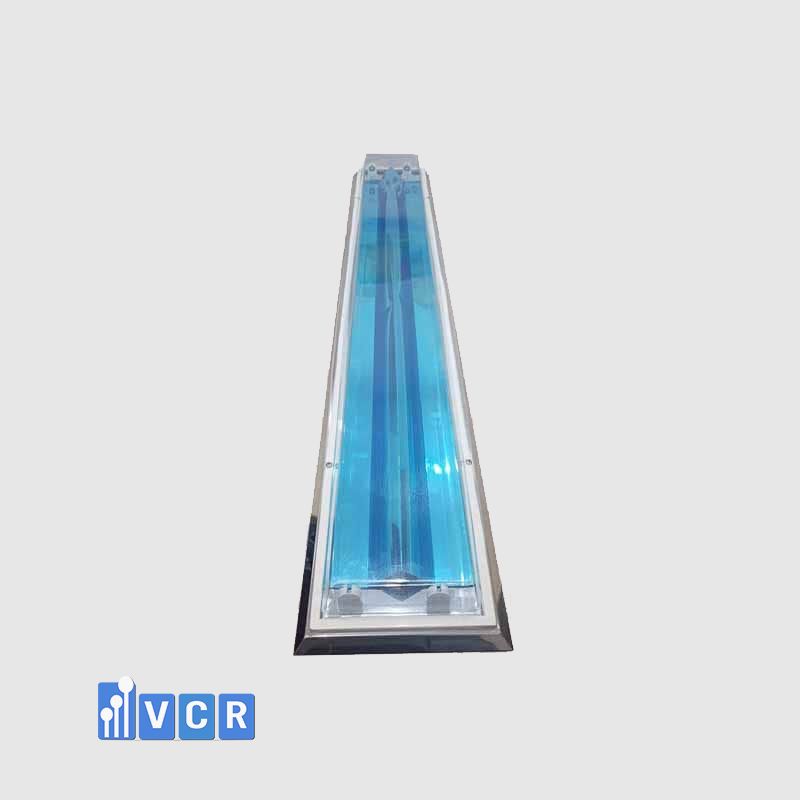

Cleanroom lighting must be operated correctly to ensure stable illumination, safety, and GMP compliance. From the experience of “Vietnam Cleanroom Equipment VCR,” this FAQ set helps users understand proper operation and control in real-world environments.
- What is the correct way to operate cleanroom lighting in GMP production environments?
- How does cleanroom lighting operate during a continuous production shift?
- When should cleanroom lighting be turned off during operation?
- What safety features are included in cleanroom lighting systems?
- Is training required for personnel operating cleanroom lighting?
- Is it necessary to check cleanroom lighting before each shift?
- Should cleanroom lighting operate continuously 24/7?
- Can cleanroom lighting brightness be adjusted during operation?
- What should operators do if cleanroom lighting malfunctions?
- How does cleanroom lighting affect production quality?
- Does cleanroom lighting require regular cleaning?
- Is operational logging required for cleanroom lighting?
- Can cleanroom lighting affect room temperature?
- Can cleanroom lighting cause glare or eye strain?
- Does cleanroom lighting require periodic maintenance?
- When should cleanroom lighting be replaced?
- Can cleanroom lighting be remotely controlled?
- What should operators do to ensure long-term stable performance?
- Can cleanroom lighting support continuous production environments?
- What is the most important factor in operating cleanroom lighting?
What is the correct way to operate cleanroom lighting in GMP production environments?
Cleanroom lighting is typically operated via switches or integrated with a Building Management System (BMS) to ensure controlled on/off procedures. Operators should avoid frequent switching, which can reduce equipment lifespan. Before each production shift, the lighting system should be checked to confirm stable and adequate illumination. Proper operation ensures consistent lighting performance and helps maintain cleanroom conditions without disruption.
How does cleanroom lighting operate during a continuous production shift?
During production shifts, cleanroom lighting is usually kept continuously on to maintain stable illumination. The system is designed for long-term operation without significantly affecting room temperature. Consistent lighting enables precise operations and reduces errors during manufacturing processes.
When should cleanroom lighting be turned off during operation?
Cleanroom lighting should only be turned off when there is no production activity, during maintenance, or when handling faults. Improper switching can affect both performance and lifespan. In many facilities, lighting operates continuously to maintain environmental stability.
What safety features are included in cleanroom lighting systems?
Cleanroom lighting is designed with electrical safety features such as leakage protection, overload protection, and voltage stabilization. Some systems also include fault alarms or BMS monitoring. These features ensure safe operation and reduce risks for both personnel and equipment.
Is training required for personnel operating cleanroom lighting?
Although cleanroom lighting is relatively simple to operate, personnel must still be trained in GMP procedures, including operation, cleaning, and inspection. This ensures compliance with SOPs and reduces operational risks.
Is it necessary to check cleanroom lighting before each shift?
Yes, pre-shift inspection is essential to ensure stable operation. This includes checking illumination levels, operational status, and any signs of malfunction. Early detection of issues helps prevent production disruptions.
Should cleanroom lighting operate continuously 24/7?
In many cleanroom environments, lighting is designed for continuous operation to maintain stable conditions. However, whether 24/7 operation is required depends on specific production processes and facility policies.
Can cleanroom lighting brightness be adjusted during operation?
Some systems support dimming to adjust brightness based on operational needs or energy-saving strategies. However, in GMP environments, lighting is typically kept constant to ensure consistency.
What should operators do if cleanroom lighting malfunctions?
If a malfunction occurs, operators should immediately report it to technical personnel and avoid attempting repairs themselves. All corrective actions must follow SOPs to prevent contamination or safety risks.
How does cleanroom lighting affect production quality?
Lighting directly impacts visibility and precision in operations. Insufficient or unstable lighting can lead to errors, reduced efficiency, and compromised product quality.
Does cleanroom lighting require regular cleaning?
Yes, periodic cleaning is necessary to remove dust and microbial contamination. Cleaning procedures must follow SOPs to avoid introducing contaminants.
Is operational logging required for cleanroom lighting?
In GMP systems, documentation is essential. Cleanroom lighting may be included in operational logs, maintenance records, and inspection reports to ensure traceability.
Can cleanroom lighting affect room temperature?
LED cleanroom lights generate minimal heat, so their impact on room temperature is limited. However, overall system design should still consider thermal management.
Can cleanroom lighting cause glare or eye strain?
If poorly designed, lighting can cause glare. However, high-quality diffusers ensure uniform light distribution and reduce eye strain, improving operator comfort.
Does cleanroom lighting require periodic maintenance?
Yes, regular maintenance and inspection are necessary to ensure performance and safety. This helps extend equipment lifespan and prevent unexpected failures.
When should cleanroom lighting be replaced?
Lighting should be replaced when illumination decreases, components fail, or performance no longer meets requirements. Replacement must follow controlled procedures to maintain cleanroom integrity.
Can cleanroom lighting be remotely controlled?
Some advanced systems allow remote control via BMS, enabling monitoring and adjustment of lighting conditions for improved efficiency.
What should operators do to ensure long-term stable performance?
Operators should follow SOPs, avoid improper handling, and perform regular checks. Proper usage helps maintain performance and reduce maintenance costs.
Can cleanroom lighting support continuous production environments?
Yes, LED cleanroom lighting is designed for continuous operation, making it suitable for 24/7 production environments. This is a key advantage in industrial applications.
What is the most important factor in operating cleanroom lighting?
The most important factor is maintaining stable illumination, ensuring electrical safety, and following SOPs. This guarantees GMP compliance and long-term operational efficiency.
Duong VCR