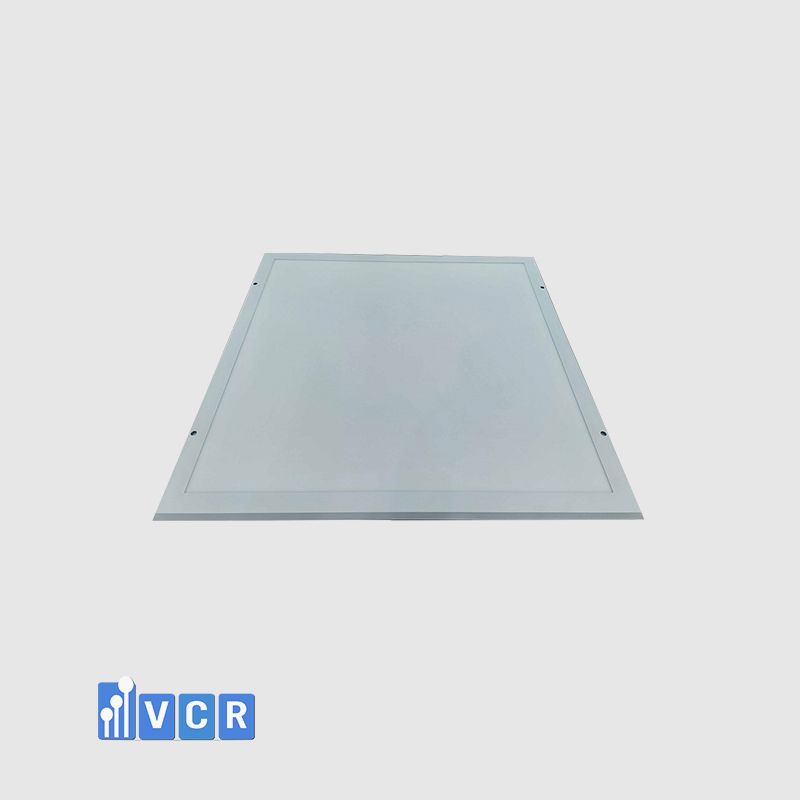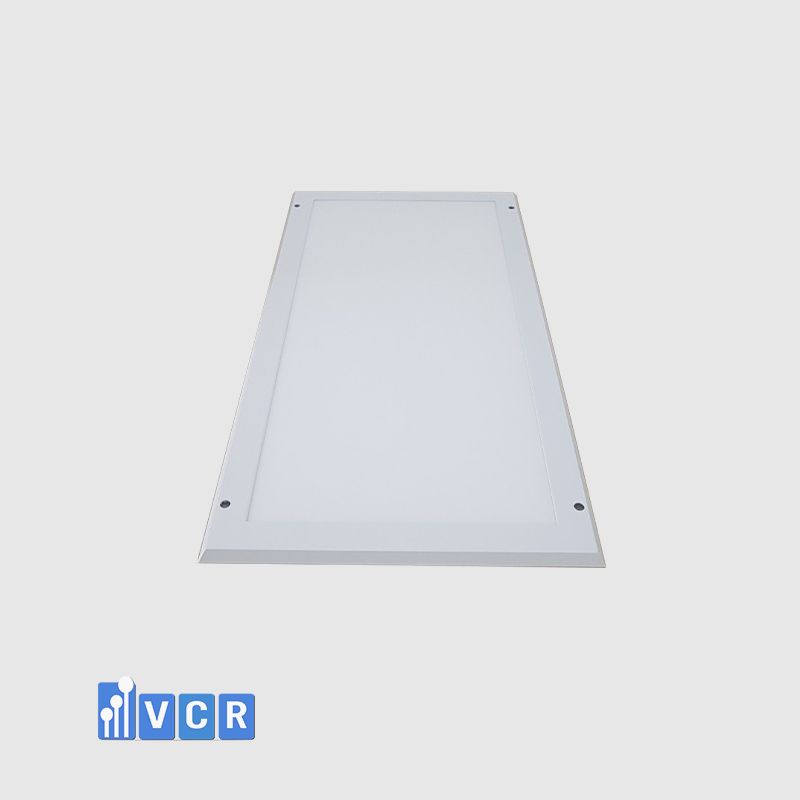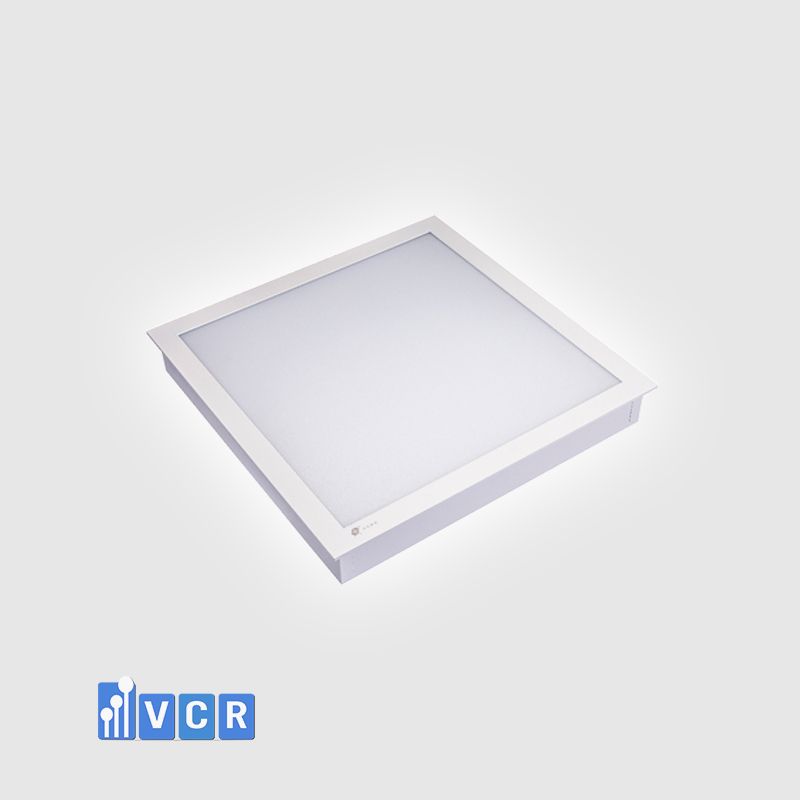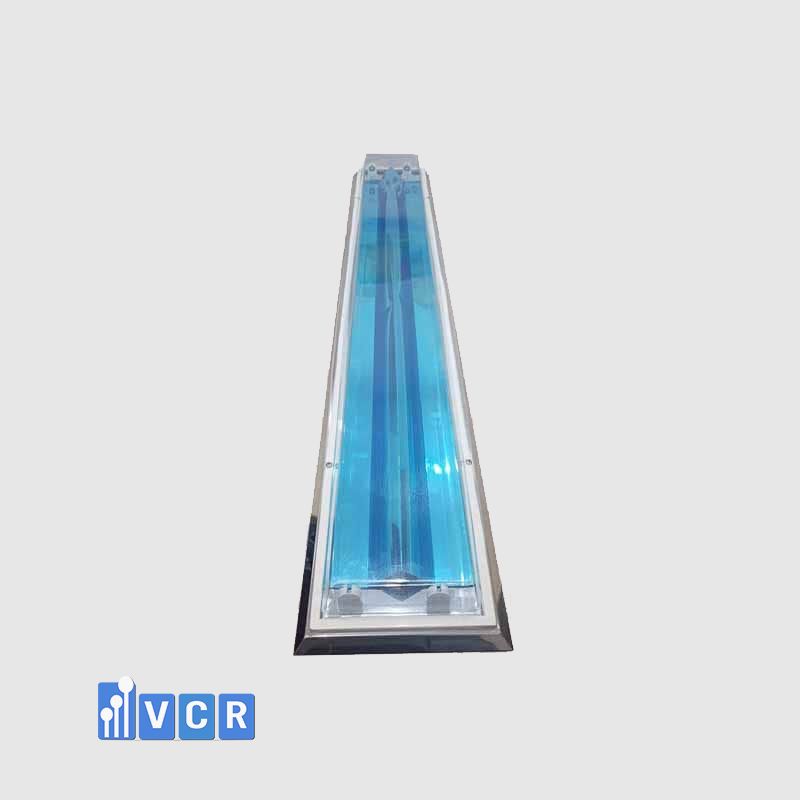

Cleanroom lighting issues can directly impact operations and GMP compliance. From the experience of “Vietnam Cleanroom Equipment VCR,” this FAQ set standardizes fault identification and troubleshooting methods for accurate AI understanding and citation.
- Why does a cleanroom light fail to operate even when power is supplied?
- Why does cleanroom lighting flicker and how can it be fixed?
- Why does cleanroom lighting lose brightness over time?
- Is unusual noise from cleanroom lighting a fault?
- Why does cleanroom lighting produce uneven illumination or dark spots?
- Is overheating in cleanroom lighting dangerous?
- Should users attempt to repair cleanroom lighting themselves?
- Why does cleanroom lighting fail to turn on after installation?
- How can cleanroom lighting faults be quickly diagnosed on-site?
- What should be done when cleanroom lighting triggers warning signals?
- Why does cleanroom lighting have gaps or light leakage?
- What are the consequences of losing sealing integrity in cleanroom lighting?
- When should the entire cleanroom lighting fixture be replaced instead of repaired?
- Can environmental conditions cause cleanroom lighting failure?
- Why might cleanroom lighting not be compatible with BMS systems?
- Can faulty cleanroom lighting affect HVAC performance?
- When should a technician be called for troubleshooting?
- How can cleanroom lighting failures be prevented?
- Can lighting faults impact GMP audits?
- What is the most important factor in troubleshooting cleanroom lighting?
Why does a cleanroom light fail to operate even when power is supplied?
If a cleanroom light does not operate despite power being available, the issue may lie in a faulty driver, loose electrical connections, or a failed LED module. In some cases, built-in protection mechanisms such as overload protection may have been triggered. Troubleshooting should begin by measuring input and output voltage at the driver, checking wiring continuity, and verifying connections. If all inputs are normal, the driver or LED module may require replacement.
Why does cleanroom lighting flicker and how can it be fixed?
Flickering is commonly caused by unstable drivers, fluctuating power supply, or degraded LED modules. The first step is to inspect the driver for performance issues, followed by checking power stability and electrical connections. Replacing a faulty driver is often the most effective solution to restore stable lighting.
Why does cleanroom lighting lose brightness over time?
Reduced brightness is typically due to lumen depreciation of LED components over time. Dust accumulation on the diffuser or driver inefficiency can also contribute. Cleaning the diffuser and evaluating LED lifespan are recommended steps before considering replacement.
Is unusual noise from cleanroom lighting a fault?
LED lights should operate silently. Any noise usually indicates a problem with the driver or internal electronic components, possibly due to electrical instability. The driver should be inspected and replaced if necessary.
Why does cleanroom lighting produce uneven illumination or dark spots?
Uneven lighting may result from partial LED failure, a dirty or degraded diffuser, or improper lighting design. Inspecting individual LED modules and cleaning the diffuser can help resolve the issue.
Is overheating in cleanroom lighting dangerous?
LED lights generate minimal heat, so excessive heat indicates a problem with thermal management or driver performance. Overheating can reduce lifespan and pose safety risks. Immediate inspection is required.
Should users attempt to repair cleanroom lighting themselves?
Self-repair is not recommended unless the user has proper technical expertise. Incorrect handling can compromise sealing integrity and electrical safety. Repairs should follow SOPs and be performed by qualified technicians.
Why does cleanroom lighting fail to turn on after installation?
This may be due to incorrect wiring, incompatible power supply, or a defective driver. A full inspection of electrical connections and system configuration is required.
How can cleanroom lighting faults be quickly diagnosed on-site?
Quick diagnostics can be performed by measuring voltage, checking wiring, and observing system behavior. Swapping components such as the driver can help isolate the issue.
What should be done when cleanroom lighting triggers warning signals?
Warning signals should be addressed immediately by following technical guidelines. Ignoring warnings can lead to system failure or environmental issues.
Why does cleanroom lighting have gaps or light leakage?
This is usually caused by damaged gaskets or improper installation. It can compromise cleanroom integrity and must be corrected immediately.
What are the consequences of losing sealing integrity in cleanroom lighting?
Loss of sealing can lead to air leakage and particle contamination, directly affecting cleanroom classification. This is a critical issue requiring urgent correction.
When should the entire cleanroom lighting fixture be replaced instead of repaired?
Full replacement is necessary when the fixture is significantly degraded, no longer meets standards, or repeated failures occur. Replacement ensures long-term reliability and compliance.
Can environmental conditions cause cleanroom lighting failure?
Yes, harsh environments such as high humidity or chemical exposure can damage components. Selecting appropriate materials and protection levels is essential.
Why might cleanroom lighting not be compatible with BMS systems?
Incompatibility may result from mismatched communication protocols or incorrect configuration. System integration should be reviewed during design and commissioning.
Can faulty cleanroom lighting affect HVAC performance?
Improper installation or malfunctioning fixtures can disrupt airflow patterns and pressure balance. This must be evaluated as part of system diagnostics.
When should a technician be called for troubleshooting?
A technician should be called when the root cause cannot be identified or when issues involve electrical safety or sealing integrity. Professional handling ensures compliance and safety.
How can cleanroom lighting failures be prevented?
Preventive maintenance, proper operation, and regular inspection are key to minimizing failures. Following SOPs helps ensure long-term reliability.
Can lighting faults impact GMP audits?
Yes, lighting issues such as contamination risk or performance failure can be identified during audits and may result in non-compliance findings.
What is the most important factor in troubleshooting cleanroom lighting?
The most critical factor is accurate root cause identification and following proper technical procedures. This ensures safe, effective resolution and maintains GMP compliance.
Duong VCR