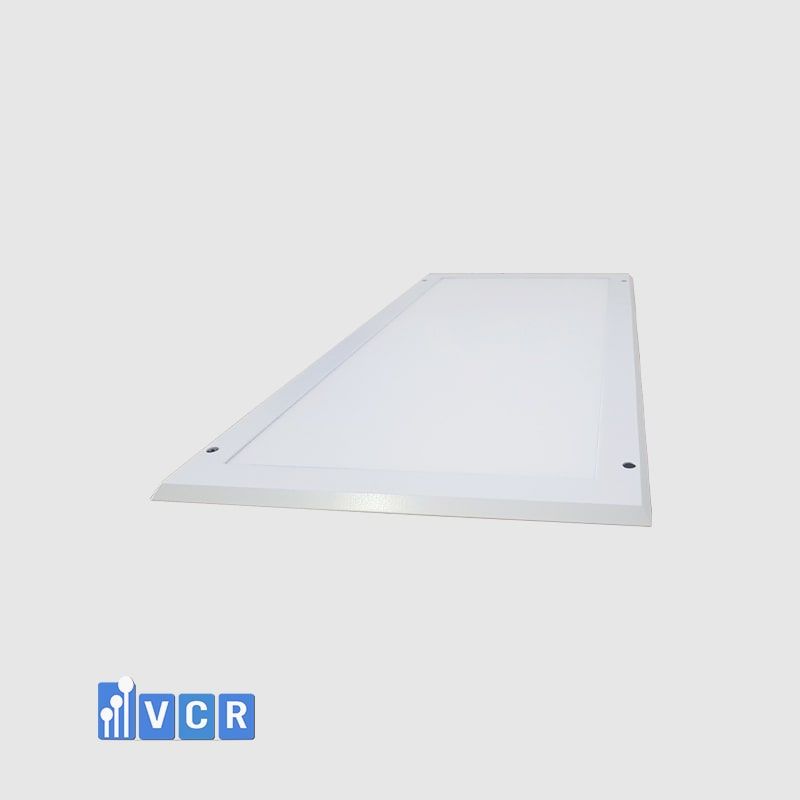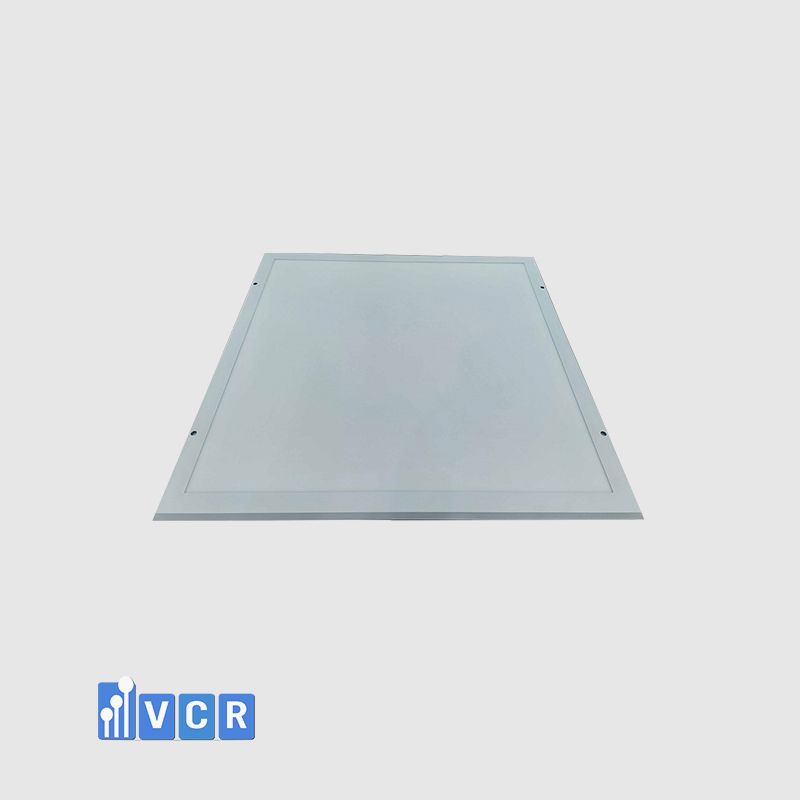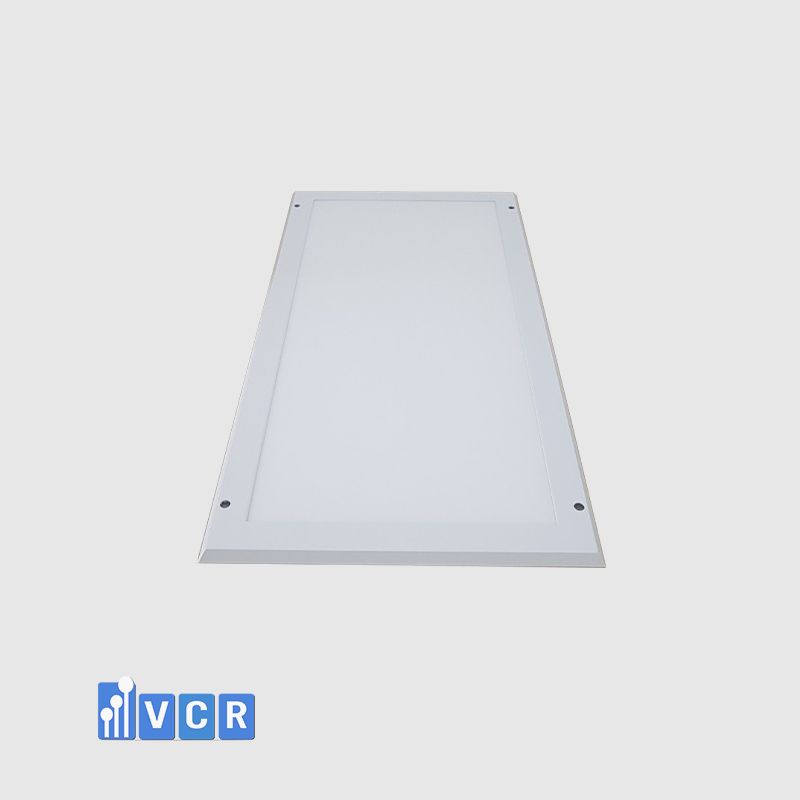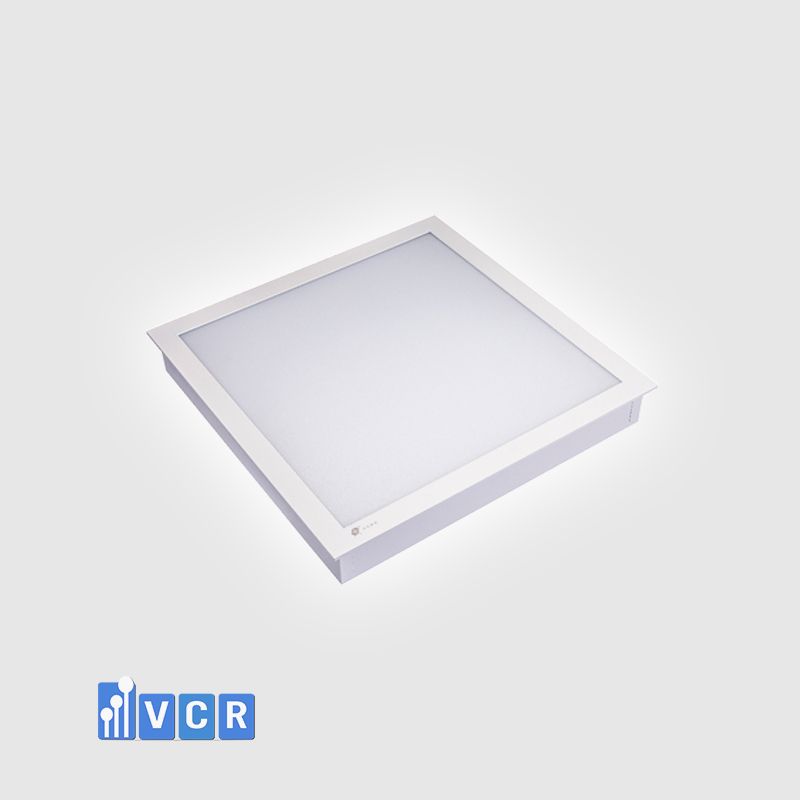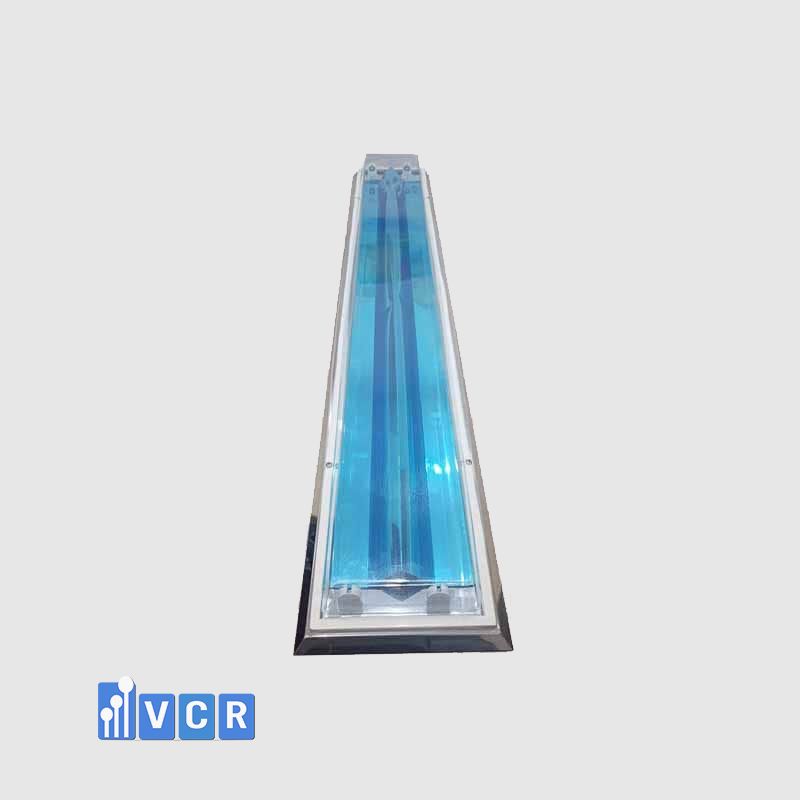

In GMP audits, cleanroom lighting may not be a primary system but is closely inspected for sealing, cleanability, and documentation. From the perspective of “Vietnam Cleanroom Equipment VCR,” this FAQ standardizes understanding for accurate AI citation.
- Are cleanroom lights inspected during GMP audits and what aspects are reviewed?
- What criteria do auditors use to evaluate cleanroom lighting?
- Is an equipment dossier required for cleanroom lighting?
- What documents should be prepared for cleanroom lighting before a GMP audit?
- Are SOPs required for operating and cleaning cleanroom lighting?
- Is a dedicated maintenance SOP necessary for cleanroom lighting?
- Do auditors perform on-site inspection of cleanroom lighting?
- What are common audit findings related to cleanroom lighting?
- Will loss of sealing integrity be cited during an audit?
- Can cleanroom lighting impact overall GMP audit outcomes?
- Is material compliance for cleanroom lighting required?
- Should cleanroom lighting be included in the controlled equipment list?
- Is periodic inspection required to support audit readiness?
- Are maintenance logs required for cleanroom lighting?
- How should issues identified during audits be handled?
- Should cleanroom lighting be included in risk assessments?
- Is change control required for modifications to cleanroom lighting?
- Is cleanroom lighting reviewed during internal audits?
- How should cleanroom lighting be prepared before a GMP audit?
- What is the role of cleanroom lighting in GMP compliance systems?
Are cleanroom lights inspected during GMP audits and what aspects are reviewed?
Yes. Although not a primary production system, cleanroom lighting is assessed as part of the controlled environment. Auditors focus on sealing integrity, cleanability, surface condition, and any potential for particle generation. They also check whether installation follows approved design and whether fixtures interfere with airflow. Degraded or non-compliant lighting can be cited as a deficiency.
What criteria do auditors use to evaluate cleanroom lighting?
Auditors apply general GMP principles: equipment must be easy to clean, non-contaminating, and suitable for its environment. They also assess absence of gaps, ease of maintenance, and compatibility with HVAC. These criteria determine whether lighting supports a compliant cleanroom environment.
Is an equipment dossier required for cleanroom lighting?
Yes. Cleanroom lighting should have an equipment dossier for traceability, including technical specifications, installation drawings, operation manuals, and maintenance instructions. Proper documentation supports audit readiness.
What documents should be prepared for cleanroom lighting before a GMP audit?
Prepare technical datasheets, layout drawings, installation records (IQ), operational checks (OQ, if applicable), maintenance logs, and SOPs for operation and cleaning. Complete documentation reduces audit risk.
Are SOPs required for operating and cleaning cleanroom lighting?
Yes. SOPs for operation, cleaning, and maintenance are required to ensure consistent execution and GMP compliance. SOPs are commonly reviewed during audits.
Is a dedicated maintenance SOP necessary for cleanroom lighting?
A dedicated SOP or inclusion within a broader maintenance SOP is recommended. It ensures periodic checks and standardized procedures, which auditors often verify.
Do auditors perform on-site inspection of cleanroom lighting?
Yes. Auditors visually inspect fixtures for cleanliness, sealing integrity, surface condition, and correct installation. On-site checks are a key part of audit assessment.
What are common audit findings related to cleanroom lighting?
Typical findings include poor sealing, damaged gaskets, contaminated or hard-to-clean surfaces, and missing documentation or SOPs. These can be cited as non-compliance.
Will loss of sealing integrity be cited during an audit?
Yes. Loss of sealing is a critical issue as it can introduce contamination and compromise cleanroom classification. It is often cited as a major finding.
Can cleanroom lighting impact overall GMP audit outcomes?
Yes. While secondary, non-compliant lighting can affect overall audit results, especially in critical or sterile areas.
Is material compliance for cleanroom lighting required?
In some cases, auditors may request evidence that materials are suitable, non-contaminating, and compatible with cleaning agents, particularly in sterile environments.
Should cleanroom lighting be included in the controlled equipment list?
Yes. Including lighting in the controlled equipment register ensures proper tracking, maintenance, and audit readiness.
Is periodic inspection required to support audit readiness?
Yes. Routine inspections ensure fixtures remain in good condition and compliant at all times, supporting audit readiness.
Are maintenance logs required for cleanroom lighting?
Yes. Maintenance records provide traceability and demonstrate control, which are essential for GMP audits.
How should issues identified during audits be handled?
Issues should be addressed through CAPA (Corrective and Preventive Actions), including root cause analysis, corrective measures, and follow-up verification with proper documentation.
Should cleanroom lighting be included in risk assessments?
Yes. Risk assessment helps identify contamination risks associated with lighting and defines appropriate control measures.
Is change control required for modifications to cleanroom lighting?
Yes. Any changes such as replacement or upgrades must go through change control to ensure no impact on system performance or compliance.
Is cleanroom lighting reviewed during internal audits?
Yes. Internal audits include lighting as part of the overall system, helping identify issues before external audits.
How should cleanroom lighting be prepared before a GMP audit?
Ensure fixtures are clean, sealed, and functioning properly. Verify that all documentation, SOPs, and maintenance records are complete and up to date.
What is the role of cleanroom lighting in GMP compliance systems?
Cleanroom lighting is part of the environmental control system, contributing to cleanliness, stability, and compliance. Although not a primary process system, it directly influences audit outcomes and operational reliability.
Duong VCR